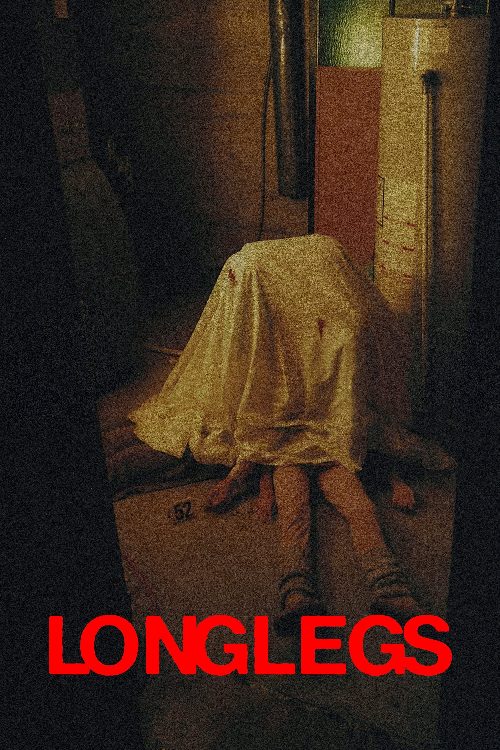
About Longlegs
FBI Agent Lee Harker is a gifted new recruit assigned to the unsolved case of an elusive serial killer. As the case takes complex turns, unearthing evidence of the occult, Harker discovers a personal connection to the merciless killer and must race against time to stop him before he claims the lives of another innocent family.
The chilling atmosphere of Longlegs marks a significant departure from the typical police procedural, opting instead for a descent into nightmarish dread that feels increasingly rare in modern genre filmmaking. While Indian cinema has recently seen a surge in atmospheric thrillers that blend investigative grit with regional folklore, this project pulls from the stark, unsettling aesthetic of nineties psychological horror. Director Osgood Perkins crafts a narrative that feels less like a traditional hunt for a criminal and more like a slow unraveling of sanity, positioning the protagonist as an outsider navigating a landscape where the lines between forensic logic and supernatural malevolence blur completely.
Maika Monroe portrays the lead investigator with a brittle intensity that anchors the film, effectively capturing the isolation of someone staring into an abyss that refuses to look away. For audiences familiar with the high-octane suspense of Tamil or Malayalam crime dramas, this film offers a different flavor of tension. It avoids the bombastic action sequences common in mainstream crossovers, favoring instead a suffocating sense of impending doom that relies on sound design and frame composition to unsettle the viewer. It is a calculated exercise in dread, perfectly suited for those who prefer their mysteries to come with a heavy side of existential anxiety rather than straightforward plot resolutions.
The film stands out by leaning heavily into the occult, a thematic choice that elevates the stakes beyond a simple cat and mouse game. By framing the investigation through the lens of a personal awakening, the story forces the audience to question the reliability of the evidence being presented. This approach aligns with a growing global trend in cinema where the most terrifying monsters are not merely physical threats, but manifestations of deep-seated trauma or forgotten history. Those who appreciate the meticulous world-building found in psychological horror will likely find themselves captivated by the way this narrative constructs its own internal mythology. It represents a bold step forward for the genre, proving that the most effective way to unsettle an audience is to strip away the comfort of certainty and leave them searching for answers in the dark. For viewers who enjoy dissecting clues alongside the protagonist, this experience provides a rare, lingering sense of unease that persists long after the screen fades to black.
Cast(28)