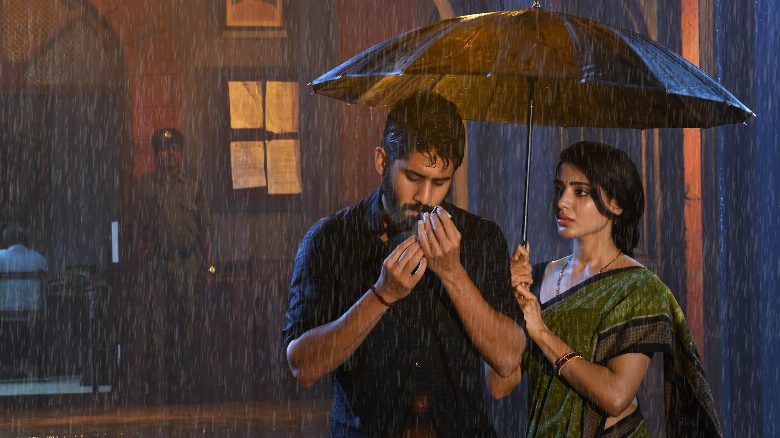

About Majili
Poorna fails to appreciate the blessings in his life due to his unfulfilled dream of a cricket career and a failed romance that changes him.
Few cinematic narratives capture the specific ache of a man haunted by the ghost of his own unrealized potential quite like the 2019 Telugu production Majili. Directed by Shiva Nirvana, this film serves as a poignant exploration of how past disappointments can calcify into a bitter present, effectively grounding its emotional stakes in the relatable reality of the middle-class Andhra experience. While many romantic dramas in the Tollywood landscape focus on the high-octane thrill of courtship, this project opts for a more mature, introspective look at the aftermath of heartbreak and the grueling labor required to rebuild a life when expectations have been shattered. It stands apart from the typical commercial fare by prioritizing character interiority over grand spectacles, positioning itself as a grounded study of human resilience within the domestic sphere.
The film relies heavily on the nuanced performance of Naga Chaitanya, who navigates the transformation of a man trapped in a cycle of regret and stagnant resentment. By contrasting his character’s youthful, idealistic ambitions with his later descent into a listless existence, the story highlights the universal struggle of reconciling who we thought we would become with the reality of who we are. The inclusion of veteran actors like Rao Ramesh and Atul Kulkarni adds a layer of gravitas that anchors the emotional turbulence, ensuring that the domestic conflicts feel earned rather than forced. This is a quintessential example of the shift within the modern Telugu industry toward content-driven narratives that value emotional authenticity as much as, if not more than, the traditional song-and-dance sequences that have long defined the regional box office.
Viewers who appreciate slow-burn character studies will find much to admire in the way the film treats the healing process as a non-linear journey rather than a destination. It is specifically designed for audiences who enjoy dramas that focus on marital dynamics, the weight of paternal influence, and the quiet courage required to forgive oneself. By eschewing the typical tropes of the genre in favor of a deeper dive into the psychology of a broken spirit, the director manages to craft a story that feels both intimate and expansive. Whether you are a fan of contemporary South Indian cinema looking for a grounded narrative or simply a lover of stories about second chances, this film offers a reflective experience that lingers long after the credits roll. It remains a notable entry in a career-defining period for its leads, solidifying their ability to carry complex, emotionally demanding roles with grace and subtlety.
Cast(13)