
About Mar de plástico
Donald is a Nigerian immigrant who after being expelled from Spain three years ago, has returned to meet again with Teresa, with whom he had a secret love affair. But on arrival he finds that she has married and is mother of a child. However, the return of Donald wakes strong contradictions in her. By chance, Donald starts working in the garage of Carmen, where Antonio also works, who ignores what happened between his wife and his new partner. Francisco, a foreman of the town and Carmen's suitor, cannot stand the situation. The tension between these frustrated passions ends up playing a key role in the outcome of a seemingly impossible love.
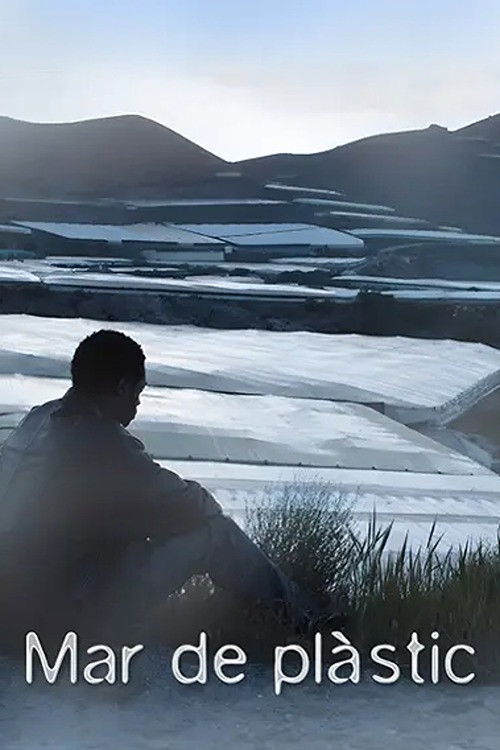
Sílvia Munt crafts a compelling exploration of human displacement and the heavy weight of hidden histories in the 2011 drama Mar de plastico. Set against the backdrop of an unforgiving landscape where greenhouses stretch toward the horizon like an endless sea of synthetic material, the film delves into the lives of those existing on the margins of society. The narrative hinges on the unexpected reappearance of Donald, a man whose previous deportation from Spain leaves his return shrouded in desperation and unfinished business. As he navigates a landscape that feels both familiar and alien, he encounters Teresa, a woman whose life has moved forward in ways he could not have anticipated. This creates a friction that elevates the story from a simple romantic drama into a tense, character driven study of moral ambiguity and the societal pressures that dictate who belongs where.
For enthusiasts of global cinema who appreciate the nuance found in European independent films, this piece offers a sharp contrast to the high octane commercial spectacles often dominating the Indian film circuit. While regional industries like the Malayalam or Tamil film sectors have mastered the art of social realism, Mar de plastico brings a specific, austere aesthetic to its depiction of immigrant life. It is not a film that relies on grand gestures but rather on the subtle shifts in power between characters like the unsuspecting Antonio and the jealous, brooding foreman Francisco. The performances, particularly from Nora Navas, ground the emotional instability of the plot, ensuring that the stakes feel deeply personal even when the setting feels cold and industrial.
Viewers who enjoy slow burn narratives that emphasize atmosphere over rapid plot progression will find much to admire here. It is an ideal recommendation for those who seek out stories that challenge the status quo, particularly regarding the intersection of love and socioeconomic status. By stripping away the glamour of traditional romantic storytelling, the director forces the audience to confront the uncomfortable reality of people trying to rebuild lives in a place that offers them little comfort. The film captures a distinct moment in time, reflecting the complexities of migration and personal betrayal with a clarity that remains relevant long after the credits roll. Whether you are a dedicated follower of international auteurs or simply a fan of emotionally heavy dramas, this work serves as an essential look at the fragility of human connections under extreme duress.