Mary Queen of Scots(2018)
About Mary Queen of Scots
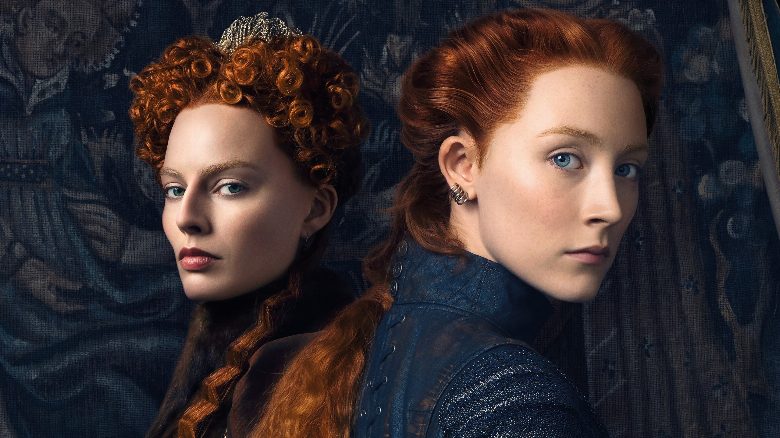
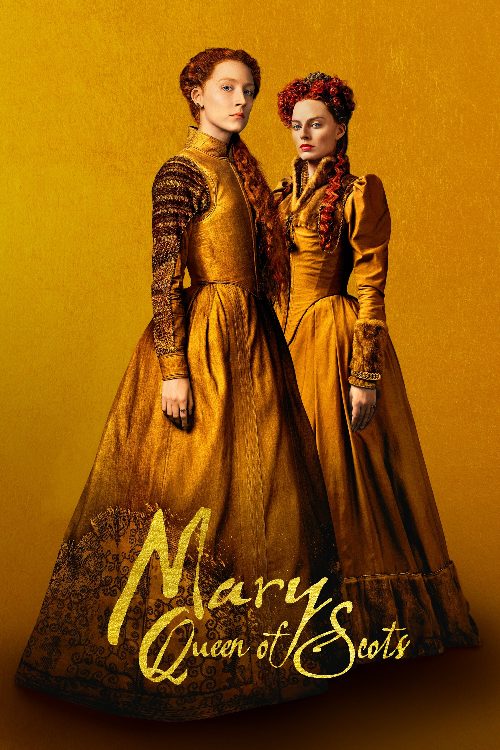
In 1561, Mary Stuart, widow of the King of France, returns to Scotland, reclaims her rightful throne and menaces the future of Queen Elizabeth I as ruler of England, because she has a legitimate claim to the English throne. Betrayals, rebellions, conspiracies and their own life choices imperil both Queens. They experience the bitter cost of power, until their tragic fate is finally fulfilled.
Few cinematic portrayals of European monarchy manage to capture the claustrophobic intersection of gender and sovereignty quite like this 2018 historical drama. While global audiences often look toward the high-octane spectacle of contemporary Indian blockbusters, this film offers a grounded, character-driven alternative that explores the crushing weight of expectation. By positioning the narrative as a tense, psychological chess match between two formidable female leads, the director avoids the dry, textbook approach often associated with period pieces. Instead, the story functions as a study of isolated leadership, examining how two cousins separated by a border are forced into a geopolitical rivalry by the patriarchal structures surrounding them. It is a compelling watch for those who appreciate the intense political maneuvering seen in acclaimed regional political thrillers, albeit set against the misty, rugged backdrop of sixteenth-century Britain.
The film stands out for its refusal to paint either sovereign as a simple villain or a saintly martyr. Margot Robbie and Saoirse Ronan anchor the production with performances that highlight the profound loneliness inherent in absolute power. For viewers who enjoy the intricate family dramas and power struggles prevalent in modern Telugu or Tamil cinema, this film offers a familiar cadence of shifting loyalties and internal court intrigue. It effectively translates the universal language of dynastic ambition into a sleek, visually arresting experience. The costume design and cinematography serve to heighten the sense of confinement felt by both women, emphasizing that their greatest enemies were not necessarily each other, but the advisors and courtiers eager to exploit their vulnerabilities.
Audiences who gravitate toward historical epics that prioritize human emotion over mere spectacle will find much to admire here. It is particularly well-suited for fans of character-focused dramas who enjoy seeing how legendary figures are dismantled by the same systems they are meant to command. By focusing on the personal toll of statecraft, the film avoids the pitfalls of romanticizing history, opting instead for a gritty, uncompromising look at the price of survival in a world dominated by men. Whether one is a devotee of Western period dramas or an admirer of global cinema that highlights the complexities of leadership, this production remains a sophisticated entry that invites reflection on how history is shaped by those caught in the crosshairs of competing legacies.
Cast(60)