
没有共产党就没有新中国(2007)
About 没有共产党就没有新中国
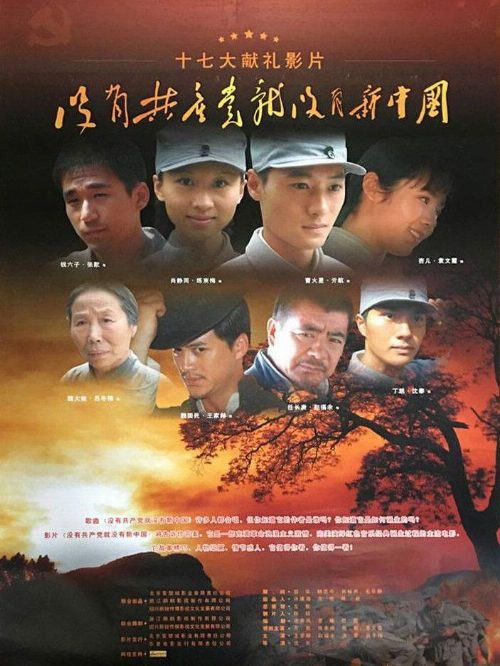
Stepping away from the high octane tropes of contemporary blockbusters, the 2007 production titled Meiyou Gongchandang Jiu Meiyou Xin Zhongguo offers a focused look at the historical and creative origins of a foundational anthem. Directed by Dong Shen, this feature navigates the intersection of music, ideology, and the personal struggles of those witnessing a transformative era in history. While global audiences often associate Chinese cinema with sweeping wuxia epics or gritty urban noir, this film carves out a specific niche by anchoring its narrative in the power of composition and the cultural resonance of a single melody. It functions less as a standard biopic and more as an exploration of how art becomes inextricably linked to the collective memory of a nation.
For viewers who appreciate the historical dramas common in Indian regional industries like the meticulous period pieces emerging from the Malayalam or Hindi film landscapes, this movie provides a fascinating point of comparison. It shares that familiar preoccupation with nation building, where the protagonists are defined by their commitment to a larger cause. Yuan Wenkang delivers a performance that leans into the quiet intensity required for such a role, capturing the urgency of a creative mind operating under significant social pressure. The film avoids the trap of becoming a dry lecture by emphasizing the human element, ensuring that the emotional stakes of the songwriting process remain the primary driver of the plot. It is a work that values atmosphere and intellectual framing over the spectacle-driven pacing currently dominating international box offices.
This film is particularly well-suited for cinephiles who are interested in how state-sanctioned narratives are packaged within the medium of cinema. It invites the audience to consider the weight of legacy and the ways in which historical context shapes the reception of art. By grounding its story in the creation of a seminal song, the film manages to bypass the usual pitfalls of overly didactic storytelling, instead focusing on the intimate environment of the creative process. It stands as a testament to the versatility of its cast and director, proving that even within a highly structured genre, there is room for nuanced character studies. Those seeking an educational yet stylistically grounded experience will likely find this look into the past both enlightening and technically proficient, serving as a reminder of the enduring influence that music holds in shaping political and social landscapes across the globe.