Merely Mary Ann(1931)
About Merely Mary Ann
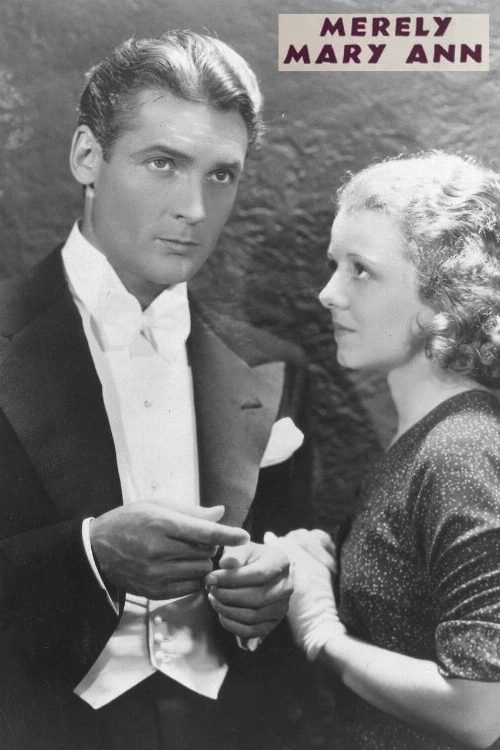
Orphan drudge Mary Ann finds love and hope in the arms of a promising but poor composer, John Lonsdale.
Long before the modern era of global cinema captivated audiences with high-concept spectacles, Henry King crafted a delicate exploration of human connection that serves as a poignant reminder of early twentieth-century storytelling. Merely Mary Ann stands as a classic representative of the transition into the sound era, focusing on the intimate bond between a struggling artist and a resilient young woman. While contemporary viewers might associate period dramas with grand historical epics or sweeping social commentaries, this production leans into the charm of character-driven narratives, finding beauty in the quiet persistence of individuals navigating life on the margins of society. It is a quintessential example of how cinema of that time utilized simple, universal emotions to bridge the gap between the screen and the spectator.
The film is particularly interesting for those who follow the evolution of the romantic archetype in international film history. Janet Gaynor delivers a performance that anchors the narrative, showcasing the kind of vulnerability and hope that would later become a staple in many beloved Indian romantic dramas across the Telugu and Tamil industries. The dynamic between the penniless musician and his optimistic companion mirrors the classic trope of the underdog finding dignity through affection, a theme that remains perennially popular in global storytelling. For fans of cinema who appreciate the roots of the boy-meets-girl formula, this film offers a fascinating look at how these emotional beats were established through understated dialogue and expressive performances, far removed from the hyper-stylized sequences of today.
Modern audiences who enjoy the melancholic yet hopeful tone of classic Hollywood will find much to appreciate here. It is a film for the viewer who prefers the slow burn of a budding relationship over the frantic pacing of current blockbusters. Henry King, a director known for his versatility, demonstrates a keen eye for how space and silence can define a scene, creating an atmosphere that feels both grounded and aspirational. By focusing on the interplay between the aspirations of the creative spirit and the grounding presence of a loyal partner, the movie transcends its age to speak to the timeless struggle of pursuing one's dreams without losing the essence of one's heart. Watching this work today provides a valuable perspective on how far cinematic language has progressed, while also highlighting the enduring appeal of the simple, honest love story that has remained a bedrock of entertainment across every cultural landscape.
Cast(8)