Molester Diary: A Man Who Kept Stroking Ass 2(1995)
About Molester Diary: A Man Who Kept Stroking Ass 2
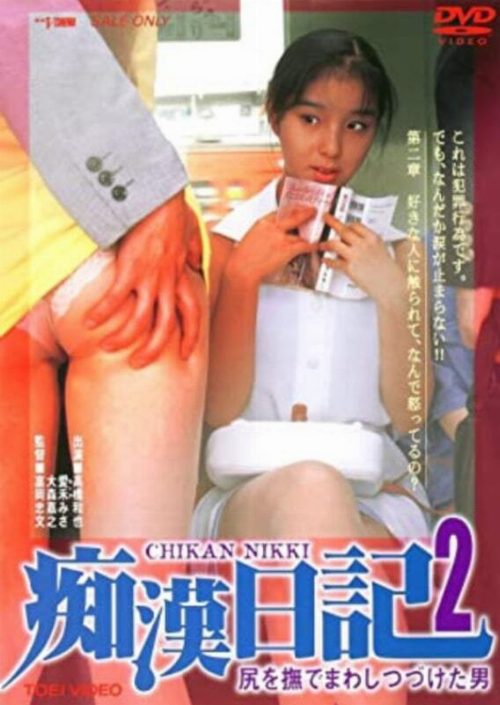
The familiar Chikan group members who bite into the buttocks of women in the crowd of crowded trains and are absorbed in lewd acts without discipline today. Leader Kawasaki and Gum man, and a manga artist I. For some reason, I took on the role of a bodyguard to protect Kawasaki's daughter from molesting, but what was the father of the molesting young man who was also a molester !? The ties between the parents of the molester are intertwined, and the two are exactly Romeo and Juliet. From an idol to an actress ── Misa Aika fascinates her with her body-hugging performance against Kazuya Takahashi and Yoshiyuki Ohmori. The director is Tadafumi Tomioka, who received high praise for his sensual visual beauty and detailed production in his younger brother's work. A masterpiece that goes beyond the common sense of molester movies! The second installment of the popular metamorphosis pure love movie "Ass Stroke" series, which was praised by the media and film critics!
The landscape of mid-nineties Japanese pink film is often characterized by a stark collision between transgressive subject matter and surprisingly earnest narrative ambition, a tension perfectly captured in the second entry of the Molester Diary series. Directed by Tadafumi Tomioka, this production arrives with a reputation for subverting the expectations typically associated with its provocative premise. While the title suggests a focus on the illicit activities of a group operating within the confines of packed commuter trains, the story quickly pivots into an unexpected exploration of generational cycles and social irony. By positioning its central figures as victims of their own questionable legacies, the film attempts to inject a layer of dark, almost Shakespearean irony into a genre that rarely concerns itself with character development or thematic depth.
At the heart of the narrative is the character of a manga artist who finds himself in the bizarre position of protecting the daughter of a notorious offender, only to discover that the apple does not fall far from the tree. This setup serves as a vehicle for a broader commentary on inherited behavior, utilizing the absurdity of its premise to satirize the very subculture it depicts. For audiences familiar with the fringes of Japanese cinema, the film offers a curious blend of aesthetic flair and grit that was a hallmark of Tomioka’s work during this period. The presence of Misa Aika, who transitioned into this project from an idol background, adds a layer of performance intensity that elevates the material beyond its base exploitation roots, grounding the more outlandish plot beats in a semblance of genuine human conflict.
Viewers who enjoy the idiosyncratic storytelling found in the V-cinema movement or those interested in the evolution of cult genre filmmaking will likely find this title a fascinating artifact of its time. It functions as a bold experiment, testing whether a narrative centered on societal pariahs can truly embrace the dynamics of a tragic romance without losing its edge. While it remains a niche selection for the uninitiated, the film stands as a testament to a specific era of international cinema that prioritized experimental storytelling over conventional morality. Those who appreciate films that challenge the boundaries of good taste while maintaining a distinct visual identity will find that this second installment offers a far more complex experience than its sensationalist naming might suggest.