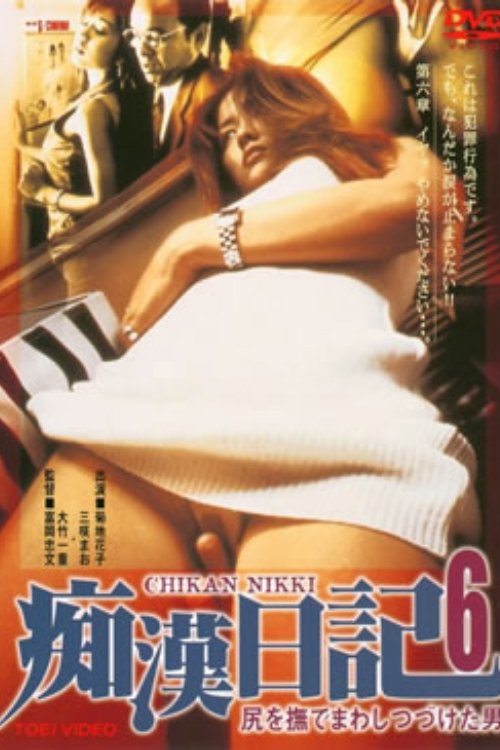
Molester Diary: A Man Who Kept Stroking Ass 6(1998)
About Molester Diary: A Man Who Kept Stroking Ass 6
An unstoppable "ass stroke" experience once you remember it. The crowded train is a fingertip paradise as usual ... However, this time, the the detectives were not the only enemies...
Few cinematic relics from the late nineties capture the bizarre subculture of Japanese exploitation cinema quite like Molester Diary: A Man Who Kept Stroking Ass 6. Directed by Tadafumi Tomioka, this entry in a long-running series serves as a time capsule for a specific brand of urban anxiety and taboo-breaking storytelling that flourished in the straight-to-video market of the era. While modern audiences might find the premise jarringly transgressive, the film operates as a grim reflection of the claustrophobic public transit environment, transforming the mundane reality of a packed Tokyo train into a stage for illicit obsession and cat-and-mouse tension. Unlike the polished thrillers currently dominating global streaming platforms, this work leans heavily into its gritty, low-budget aesthetic to amplify a sense of voyeuristic unease that defined the V-Cinema movement.
The narrative trajectory moves beyond simple provocation by introducing a layer of unexpected conflict, shifting the focus from the act itself to the paranoia of being watched. By positioning law enforcement not as the sole threat but as one of many unpredictable variables, Tomioka crafts a chaotic atmosphere where the hunter often becomes the prey. For viewers who appreciate the historical evolution of Japanese cult cinema, this film offers a fascinating look at how filmmakers utilized extreme subject matter to push the boundaries of what was permissible in domestic media. It is a stark departure from the stylistic sensibilities of contemporary Indian cinema, where social commentary is often woven into grander, more melodramatic tapestries, yet it shares a similar interest in depicting the darker corners of city life.
This production is primarily aimed at cinephiles who possess a deep curiosity for the underbelly of international film history rather than those seeking mainstream entertainment. It is a challenging watch that prioritizes raw, unfiltered intensity over narrative nuance or character development. Actors like Yukijiro Hotaru and Yoichi Nukumizu bring a weathered, authentic presence to the screen, grounding the outlandish premise in a reality that feels uncomfortably tangible. Those who enjoy dissecting the bizarre, often problematic choices made by directors in the nineties to capture the attention of niche audiences will find this a notable case study. It stands as a reminder of an era when Japan’s direct-to-video industry was a lawless frontier, consistently churning out provocative content that refused to cater to traditional sensibilities, effectively cementing its legacy as a polarizing artifact of its time.