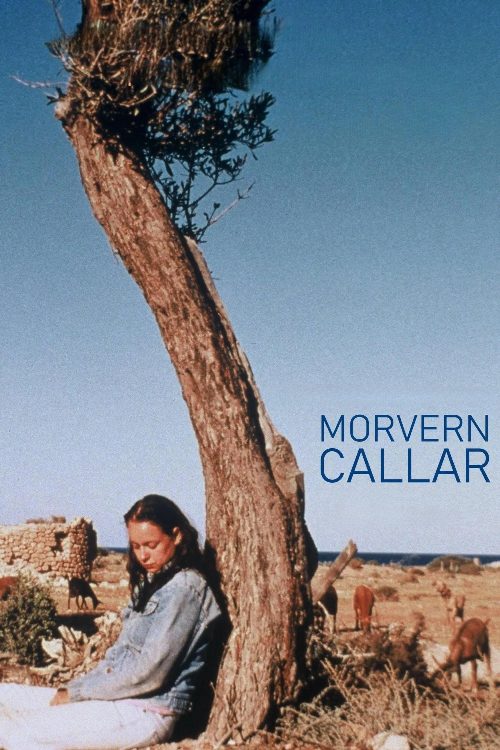
About Morvern Callar
After her boyfriend commits suicide, a young woman attempts to use the unpublished manuscript of a novel and a sum of money he left behind to reinvent her life.
Few films capture the cold, detached ache of grief quite like the 2002 drama Morvern Callar. Rather than leaning into the melodramatic tropes typically associated with sudden loss, the narrative follows a young supermarket worker who processes a traumatic discovery with a haunting, almost mechanical numbness. Directed by Lynne Ramsay, the film stands as a masterclass in atmospheric storytelling, prioritizing sensory details and the internal state of its protagonist over conventional plot progression. By focusing on the choices she makes in the immediate aftermath of her partner’s suicide, the movie challenges audiences to consider how we might react if stripped of all societal expectations and emotional scripts. It is a stark departure from the sentimental journeys often seen in global cinema, opting instead for a gritty, hyper-realistic portrayal of a woman navigating the vacuum left by a dead lover.
The film serves as a poignant reminder of the power of independent British cinema during an era when experimental aesthetics were pushing the boundaries of what a character study could achieve. For viewers accustomed to the high-energy song-and-dance sequences or heavy-handed melodrama found in contemporary Indian mainstream hits, Morvern Callar offers a jarringly quiet, contemplative contrast. It avoids the moralizing that often permeates narratives about illicit choices, instead presenting the lead character as a cipher whose motivations remain tantalizingly opaque. The deliberate pacing and the director’s signature visual flair create a hypnotic experience that feels less like a movie and more like a fever dream of escape and reinvention.
Fans of slow-burn psychological dramas will find much to admire in this exploration of isolation and the impulse to flee one’s circumstances. It is particularly well-suited for those who appreciate cinema that favors mood and texture over linear narrative satisfaction. By utilizing the manuscript left behind by her boyfriend as a catalyst for her own journey, the protagonist embarks on a path that is as morally ambiguous as it is liberating. While it lacks the vibrant cultural signifiers of the regional Indian industries we frequently cover, its universal themes of existential restlessness and the search for identity resonate across borders. This is a film for the patient viewer, one willing to sit with the discomfort of silence and the complexities of a character who refuses to be easily defined by her circumstances.
Cast(23)