Mother(2010)
About Mother
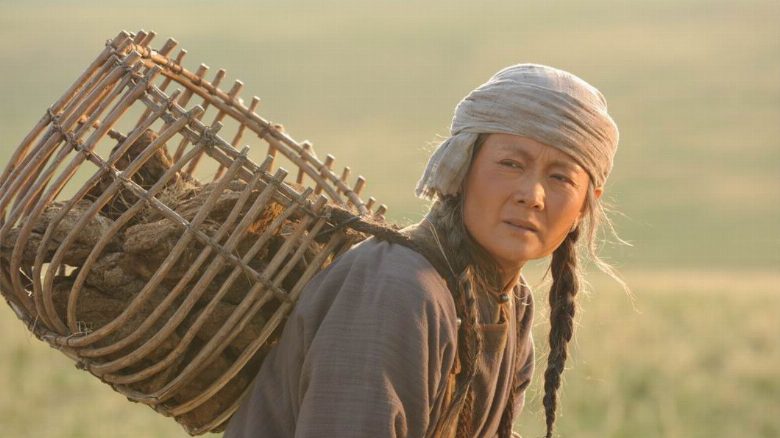
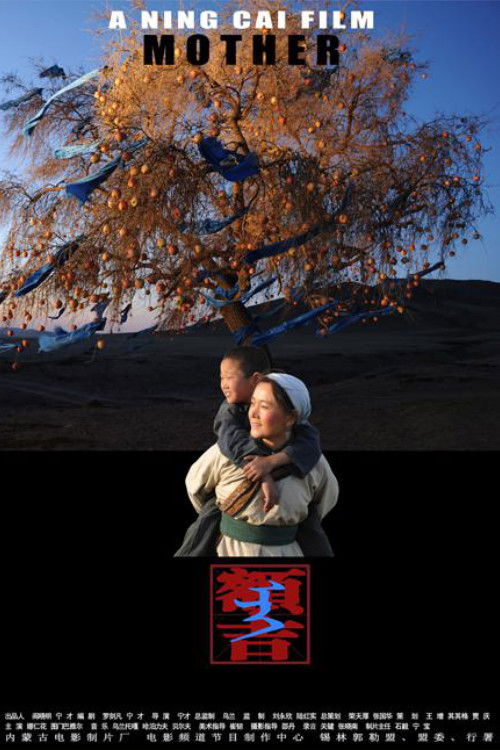
In the 1960s, about 3,000 Chinese orphans were sent to Inner Mongolia. In the Xilingol grassland, Qiqigema Erji adopted Chen Chen and Yu Sheng even though her husband disapproved. The children grew up as Mongolian nomads. But 20 years later, upon hearing the news that biological parents were looking for their children, Chen Chen left for Shanghai in the hope of meeting his parents. Yu Sheng finally did meet his parents and faced a choice as to where he wanted to live.
The vast, windswept landscapes of the Inner Mongolian steppe serve as the emotional heartbeat of the 2010 drama Mother, a film that captures the poignant intersection of humanitarian grace and the complexities of identity. While global audiences often associate regional cinema with high-octane spectacles, this quiet, meditative work highlights the profound tradition of trans-cultural empathy that defines nomadic life. By focusing on a mother who opens her home to displaced children during a period of historical upheaval, the narrative transcends its specific geographic setting to explore the universal weight of maternal sacrifice and the fragility of belonging. It stands as a testament to the power of human connection, portraying the grasslands not just as a backdrop, but as a crucible for character development.
This film arrives as a significant entry in the canon of Asian dramas that prioritize intimate, character-driven storytelling over grand artifice. For viewers accustomed to the emotional intensity found in contemporary Indian cinema, particularly the layered familial dynamics often explored in Malayalam or Marathi dramas, Mother offers a comparable depth of feeling. The tension between the nurturing environment of the steppe and the pull of one's biological origins creates a compelling dilemma that forces the protagonists to confront their definitions of home. It is a slow-burn experience tailored for those who appreciate understated performances and the kind of visual poetry that allows the environment to reflect the internal states of the characters.
The director captures a nuanced portrait of a woman navigating familial friction while upholding a noble commitment to her adopted sons. As the narrative progresses through the decades, the film addresses the painful reality of dual loyalties, forcing the grown children to weigh the bonds of childhood upbringing against the allure of forgotten roots. Because it avoids melodramatic shortcuts, the emotional impact remains grounded, focusing on the quiet choices that define a lifetime. It is an essential watch for enthusiasts of global cinema who seek stories that feel both historically rooted and emotionally timeless. By examining the ripple effects of a single, compassionate decision made in the 1960s, the film successfully highlights how the definition of family is often forged through shared struggle rather than simple biology. Those who appreciate films that linger in the mind long after the credits roll will find this exploration of heritage and devotion particularly rewarding.