About Mr. Handsome
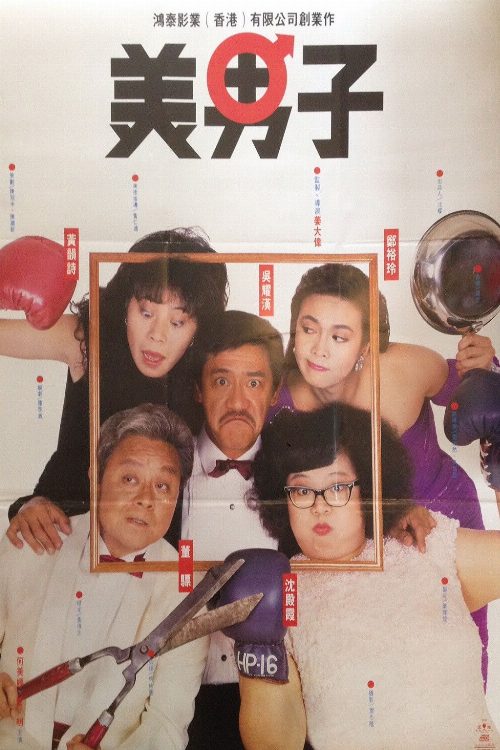
Two Hong Kong men must find a way to deal with their love lives: One with a much younger girlfriend and is admired by his co-worker, and one who is married to two hilarious, dictatorial and stubborn women.
The landscape of eighties Hong Kong cinema often thrived on a specific brand of chaotic domestic farce that remains a fascinating relic of the era. Mr. Handsome captures this frantic energy perfectly, positioning itself as a quintessential example of the regional comedy style that dominated local theaters during the late twentieth century. Under the direction of David Chiang Da-Wei, the film navigates the precarious romantic entanglements of two distinct protagonists, each grappling with the absurdity of their personal lives. By focusing on the interplay between traditional family structures and the rapidly modernizing social expectations of the time, the narrative offers a humorous window into the cultural anxieties of that decade.
The story centers on two men whose lives become increasingly tangled as they navigate their respective romantic predicaments. One character finds himself caught in a complex dynamic involving a significantly younger partner while simultaneously managing unwanted professional attention. Meanwhile, the other lead struggles to maintain his sanity while married to two incredibly headstrong and demanding spouses. This setup allows the film to lean heavily into physical comedy and sharp, fast-paced dialogue that was a hallmark of the period. For viewers who appreciate classic regional comedies, the film serves as a compelling study of how Hong Kong filmmakers once used exaggerated domestic conflict to reflect real societal pressures, particularly regarding marriage and generational gaps.
Fans of Richard Ng Yiu-Hon will find his presence particularly noteworthy, as his performance anchors much of the film’s comedic weight. His ability to switch between exasperation and bewildered resignation provides a necessary grounding for the more outlandish sequences. While the film belongs to a bygone era of production, it remains an essential watch for enthusiasts interested in the evolution of Asian comedic tropes. It is recommended for those who enjoy character-driven humor and classic ensemble dynamics, as the chemistry between the leads helps elevate the premise beyond simple slapstick. By blending personality clashes with the high-stakes world of urban romance, the production succeeds as an engaging, if slightly frantic, exploration of the complications that arise when life refuses to follow a traditional script. For those tracking the career of David Chiang Da-Wei, this project highlights his versatile directorial hand and his skill at managing multiple plot threads simultaneously within a tight, humorous framework.