Muqaddar Ka Faisla(1987)
About Muqaddar Ka Faisla
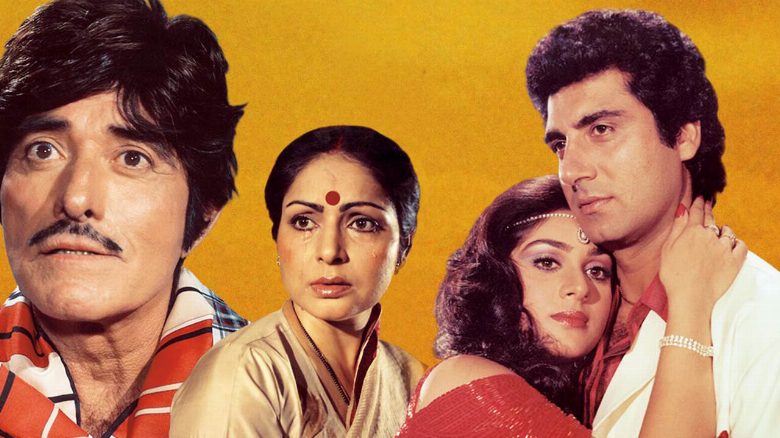
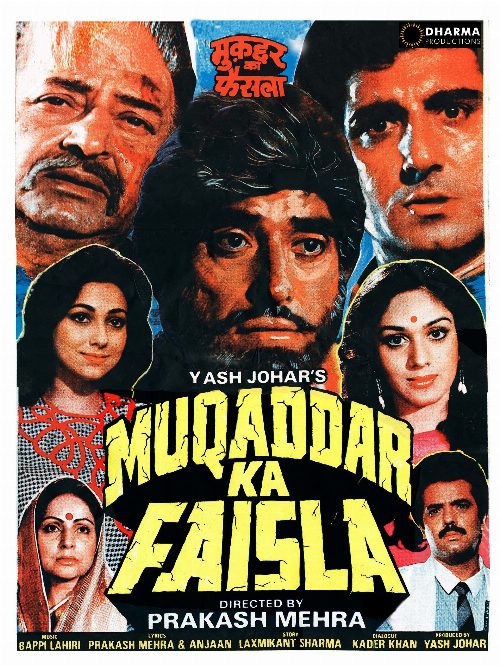
Muqaddar ka Faisla, is the story of Pandit Krishna Kant. A poor, but extremely honest, upright, God-fearing man, who refuses to compromise on his principles.
The 1987 Hindi drama Muqaddar Ka Faisla remains a fascinating artifact of a decade defined by the relentless struggle between moral integrity and systemic corruption. Centered on the character of Pandit Krishna Kant, the film explores the internal and external conflicts of an individual who clings to his virtuous nature despite living in a world that seemingly rewards deceit. While many films of this era relied on high-octane action to convey the weight of social injustice, this production chooses a more reflective path, highlighting the quiet resilience of a man who views his poverty not as a failure, but as a testament to his spiritual fortitude. By prioritizing character study over typical genre spectacle, the narrative carves out a niche for viewers who appreciate the tradition of the moralistic protagonist common in the storytelling landscape of eighties Bollywood.
The film acts as a time capsule for the cultural anxieties of its era, reflecting the deep-seated respect for traditional values that often served as a bulwark against the perceived moral erosion of urban life. The casting, featuring familiar character actors like Sudhir and Nandita Thakur, brings a grounded quality to the screen that anchors the thematic ambitions of the script. For modern cinephiles, this title offers a look at how Hindi cinema navigated the tension between the idealistic hero and the harsh realities of a changing society. It serves as an excellent companion piece for those who enjoy classic dramas that lean heavily into the philosophical weight of personal accountability, standing as an example of how regional industries once used the screen to debate the merits of righteousness.
Audiences who gravitate toward stories about individual agency and the heavy cost of staying true to one's conscience will find much to consider here. The director leans into the emotional stakes of the protagonist, inviting the audience to weigh the value of legacy versus survival. As a piece of eighties Indian cinema, it sits comfortably among works that prioritized the strength of the human spirit, making it an essential watch for those building a comprehensive understanding of the evolution of the Hindi drama. It is a work that asks its viewers to reflect on their own definitions of success, challenging the assumption that the material world is the only arbiter of a life well lived. Its enduring appeal lies in this timeless confrontation between the stubbornness of belief and the relentless march of destiny.
Cast(24)