

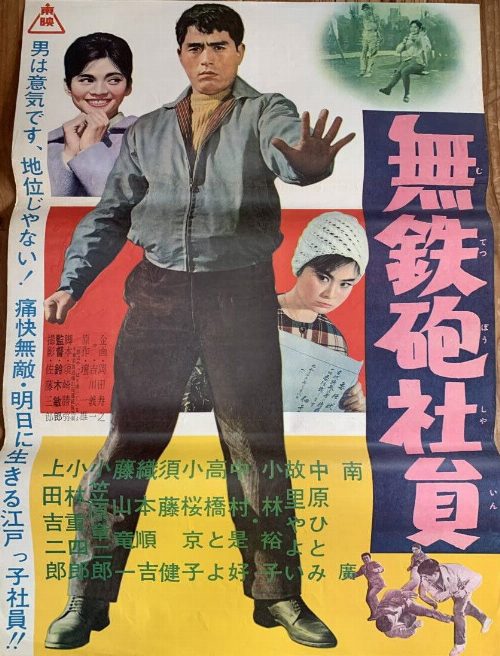
Muteppō shain(1961)
About Muteppō shain
1961 Japanese movie
Stepping into the cinematic landscape of 1961 Japan reveals a fascinating intersection of traditional storytelling and the shifting social dynamics of the postwar era. Muteppo shain serves as a compelling artifact of this period, offering a glimpse into a time when domestic studios were balancing the influence of global trends with the unique sensitivities of local audiences. While contemporary viewers often associate Japanese cinema of the sixties with the stark auteurism of Kurosawa or the Ozu style of domestic realism, this film suggests a different facet of the industry, focusing on character-driven narratives that capture the anxieties and aspirations of everyday citizens during a decade of rapid industrial growth. The presence of Hitomi Nakahara provides a focal point for the drama, as her performance grounds the film in an emotional authenticity that resonates even across decades.
The film operates within a genre space that prioritizes human connection over grand spectacle, making it an ideal watch for those who appreciate the quiet intensity of mid-century world cinema. It stands out by resisting the urge to lean on melodrama, opting instead for a deliberate pacing that invites the audience to observe the nuances of its ensemble cast. For fans of Indian cinema, particularly those who follow the subtle character studies found in the parallel movements of Bengali or Malayalam films from the same era, there is a distinct familiarity in the way the narrative treats its subjects with profound dignity. It is a work that captures the specific cultural anxieties of a nation reconciling its traditional past with an increasingly modern future, a theme that remains perennially relevant to global viewers.
Kichijiro Ueda and the supporting cast contribute to a rich tapestry of social interactions that define the film’s atmosphere. The direction avoids heavy-handed symbolism, allowing the setting and the naturalistic dialogue to convey the weight of the story. This production is positioned as an essential piece for cinephiles interested in the evolution of Japanese narrative techniques. Whether you are a student of film history or simply someone seeking a thoughtful, character-centered story, this 1961 release offers an engaging experience that transcends its linguistic origins. It remains a testament to the artistry of its time, demonstrating how a localized project can possess a universal appeal through the simple, honest exploration of the human condition.



