
About My Breast
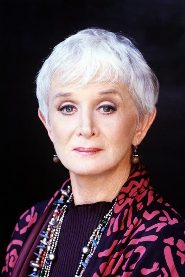
Meredith Baxter plays Joyce Wadler in this heartwarming story of hope, courage and redemption inspired by the New York City journalist's real-life struggle with breast cancer. Stuck in a lackluster relationship with her boyfriend, she's forced to re-examine her life when she receives the troubling diagnosis.
Navigating the delicate intersection of professional ambition and personal fragility, My Breast stands as a poignant relic of nineties television drama that continues to resonate through its raw, unvarnished depiction of a health crisis. Unlike many contemporary films that often lean into melodrama or stylized tragedy, this production anchored by Meredith Baxter captures the quiet, often isolating reality of a high-achieving journalist forced to hit the pause button on her life. The narrative functions as a character study, stripping away the exterior of a career-driven woman to reveal the deep-seated anxieties that bubble to the surface when mortality becomes an immediate, rather than abstract, concern. By focusing on the internal shift in perspective, the film avoids the trap of being merely a medical procedural, choosing instead to prioritize the psychological evolution of its protagonist as she reevaluates the hollow components of her existing romance.
For audiences familiar with the current wave of Indian cinema that frequently explores the burdens of modern life and the complexity of female-centric narratives, My Breast offers an interesting historical parallel. While industries like Tollywood or Bollywood have increasingly embraced themes of resilience and self-discovery in recent years, this 1994 feature highlights how global storytelling has long grappled with the same universal fears. It serves as a precursor to the modern trend of intimate, character-focused dramas that prioritize emotional authenticity over grand spectacles. Viewers who appreciate the nuanced, slow-burn storytelling found in contemporary Malayalam or Tamil independent cinema will likely find the pacing and thematic weight of this production quite familiar, as it eschews high-octane plot twists in favor of deep dives into human vulnerability.
The performance by Meredith Baxter is central to why the film maintains a distinct place in the genre of biographical dramas. She manages to portray the protagonist with a sense of dignity that avoids pity, making the journey of self-reckoning feel earned rather than forced. This film is best suited for those who value character-driven narratives that emphasize growth and the courage required to dismantle an unsatisfying life in the wake of adversity. It remains a compelling watch for anyone interested in how the media landscape historically approached the intersection of personal health and career identity. By grounding the story in the everyday experiences of a professional woman rather than purely clinical settings, the film invites the audience to consider their own priorities, making it a timeless exploration of what happens when the life we have carefully constructed is suddenly challenged by reality.
Cast(12)