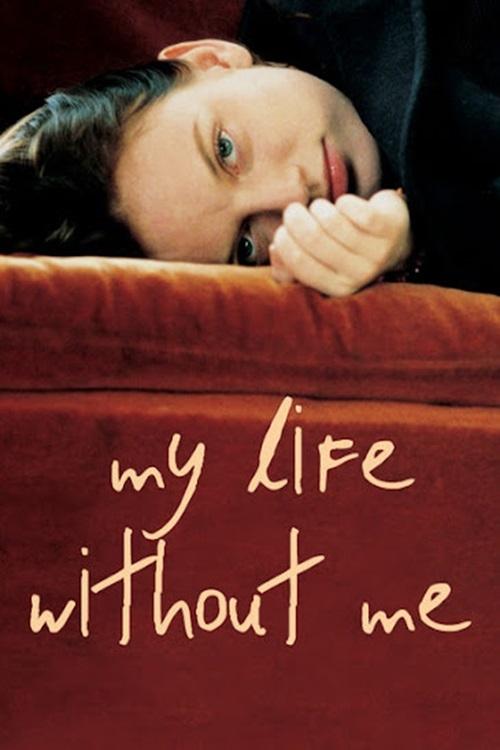
My Life Without Me(2003)
“What you are… is what you leave behind.”
About My Life Without Me
A fatally ill mother with only two months to live creates a list of things she wants to do before she dies without telling her family of her illness.
The quiet weight of mortality often reveals the true architecture of a person's priorities, a theme explored with profound sensitivity in the 2003 drama My Life Without Me. Directed by Isabel Coixet, the film avoids the heavy-handed melodrama typical of terminal illness narratives, opting instead for a delicate, observational approach to the life of a young woman confronting a sudden, life-altering diagnosis. While the premise may sound inherently somber, the storytelling focuses less on the process of dying and more on the frantic, beautiful, and deeply personal attempt to curate a legacy of small joys and unfinished business. Sarah Polley delivers a performance of remarkable restraint, grounding the film in a reality that feels both fragile and intensely lived.
In the landscape of early 2000s independent cinema, this project stands out for its European sensibility and its refusal to rely on sentimentality. While Indian audiences today are increasingly drawn to narratives that explore complex family dynamics and the existential questions of modern life, this film serves as a precursor to the intimate character studies currently finding a home in the global streaming era. It echoes the emotional intelligence seen in acclaimed regional dramas that prioritize human connection over grand spectacle. The story functions as a meditation on the invisible labors of motherhood and the hidden desires that persist even when the clock is ticking. By choosing to keep her secret from her loved ones, the protagonist transforms her final weeks into a private project of self-actualization, forcing the audience to consider how they might reorder their own existence if they were forced to view it through the lens of a finite deadline.
Viewers who appreciate slow-burn character studies and performances that rely on nuance rather than vocal outbursts will find this work particularly resonant. It is a film for those who prefer the quiet intensity of a whispered confession over the bombast of traditional cinematic climaxes. Isabel Coixet demonstrates a keen ability to find beauty in the mundane details of daily life, making the viewer feel the gravity of every mundane interaction. As an entry in the canon of intimate dramas, it remains a poignant reminder of the power of individual agency. Whether you are a fan of classic independent cinema or someone looking for a thoughtful exploration of how one defines their place in the world, this story offers a deeply moving reflection on what it means to be remembered, not by grand gestures, but by the subtle, lasting influence we exert on the people we love.
Cast(11)