About My Magic
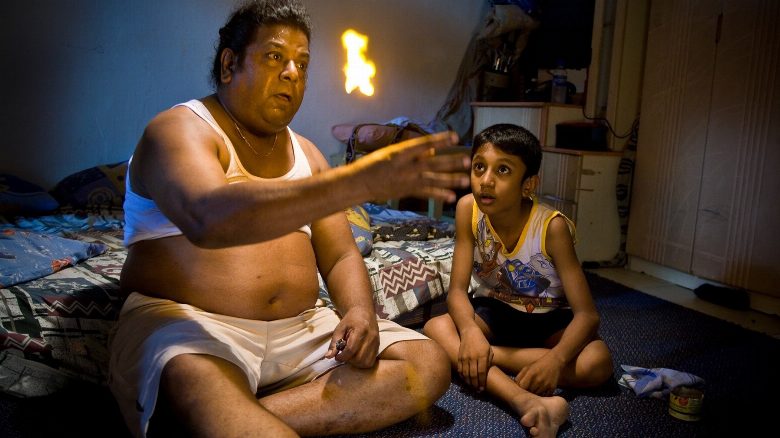
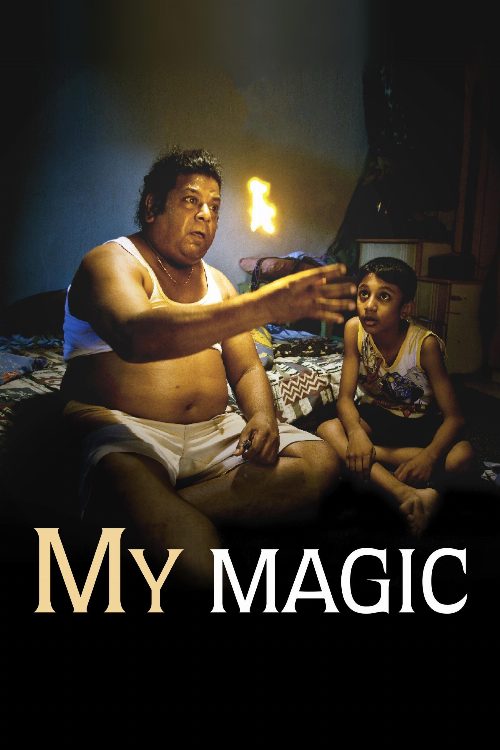
A single dad looks to give up drinking and his bartender job in order to impress his son and find work as a magician.
Cinema often finds its most compelling narratives in the quiet struggles of ordinary individuals, and My Magic stands as a poignant example of this tradition within the Tamil film landscape. Directed by Eric Khoo, this 2008 drama sidesteps the typical high octane thrills often associated with mainstream regional features, opting instead for a raw and deeply humanistic exploration of broken bonds. The story centers on a man attempting to reclaim his dignity by pivoting from a life defined by alcohol and menial bar work toward the art of stage illusion. This shift is not merely a career move but a desperate attempt to bridge the emotional distance between himself and his young son, who has witnessed the collateral damage of his fathers instability. By grounding the narrative in the grimy reality of everyday life, the film transforms a standard redemption arc into a meditation on the sacrifices parents make to regain the respect of their children.
Within the broader context of Tamil cinema, My Magic represents a distinct departure from the usual commercial spectacles, aligning more closely with the neorealist currents found in international festival circuits. It is a film for viewers who appreciate character driven storytelling where silence and body language carry as much weight as dialogue. Francis Bosco delivers a performance that feels lived in, capturing the vulnerabilities of a man who is clearly out of his element as he attempts to master magic tricks while simultaneously trying to stabilize his chaotic home environment. The film avoids sugarcoating the process of recovery, choosing instead to present a gritty look at the psychological hurdles that accompany such a significant life overhaul.
Those drawn to poignant dramas that focus on domestic reconciliation will likely find this production deeply affecting. It successfully manages to avoid the trap of becoming overly sentimental, maintaining a somber tone that respects the gravity of the protagonists past failures. As an exploration of the fragile connection between parent and child, it stands out for its refusal to offer easy answers or quick fixes. The film serves as a testament to the idea that true change is a slow, often painful process, particularly when one is performing under the watchful gaze of a child. It remains a notable entry for audiences interested in the evolution of Tamil storytelling, offering a stark contrast to the genre heavy landscape of contemporary cinema while proving that the most powerful magic is found in the simple act of trying to be better.
Cast(23)