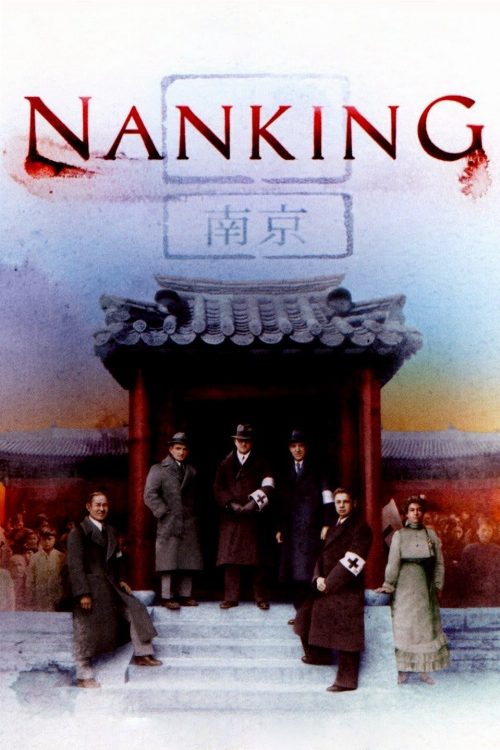
About Nanking
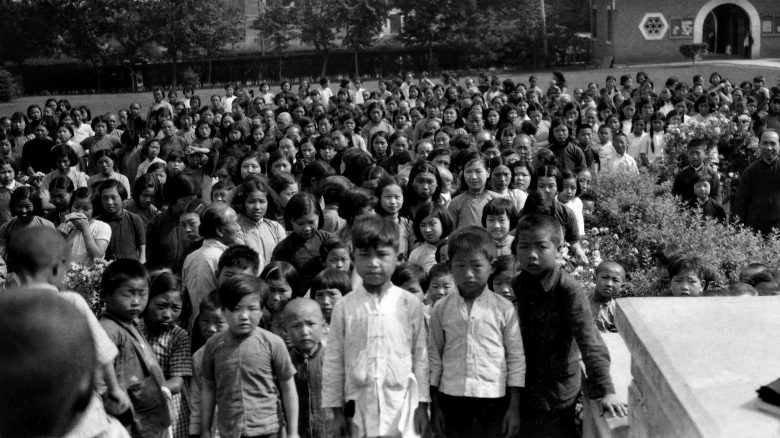
The story of the rape of Nanking, one of the most tragic events in history. In 1937, the invading Japanese army murdered over 200,000 and raped tens of thousands of Chinese. In the midst of this horror, a small group of Western expatriates banded together to save 250,000. Nanking shows the tremendous impact individuals can make on the course of history.
The cinematic landscape often struggles to reconcile the cold rigidity of historical archives with the visceral pulse of human empathy, yet this 2007 documentary manages to bridge that divide with haunting precision. By weaving together archival footage of the 1937 invasion of China with dramatic readings from contemporary actors, the film constructs a bridge between the past and the present. It captures a moment of unfathomable darkness where the collapse of civilization was met not by the indifference of the global community, but by the desperate, localized heroism of a handful of foreigners who chose to establish a safety zone. This approach elevates the narrative beyond a mere textbook account, transforming a harrowing geopolitical tragedy into an intimate study of individual moral agency during total war.
For audiences accustomed to the high-octane emotional crescendos found in modern Indian cinema, particularly the grand historical epics emerging from the Telugu and Tamil industries, this film offers a starkly different experience. While big-budget regional cinema often leans into myth-making and larger-than-life heroism, this production remains grounded in the grim reality of documentation. The inclusion of figures like Woody Harrelson to voice the testimonies of the survivors and the Westerners who stood their ground provides a familiar anchor for Western viewers, yet the core of the film remains the suffering and resilience of the Chinese people. It is a somber, reflective piece that demands patience and emotional fortitude, distancing itself from the spectacle of action-heavy war dramas to focus instead on the weight of conscience.
This film is essential viewing for those interested in the ethics of intervention and the preservation of historical memory. It stands as a testament to the idea that even in the absence of institutional support, the actions of a few can alter the survival trajectory of thousands. The director avoids the trap of glorifying violence, choosing instead to emphasize the profound psychological toll of the occupation. By bringing these diaries and letters to the forefront, the project ensures that the voices of those who witnessed the atrocity remain audible decades later. It is a sobering reminder of the fragility of peace, making it a powerful companion for anyone who appreciates cinema that serves as a mirror to our collective history. Whether you are a student of global conflicts or a fan of investigative storytelling, this work provides a haunting, necessary meditation on what it means to act when everything else has fallen away.
Cast(13)