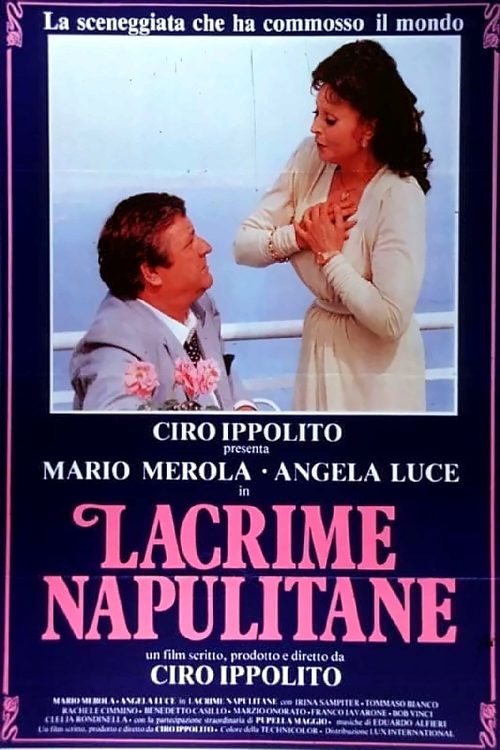
Neapolitan Tears(1981)
About Neapolitan Tears
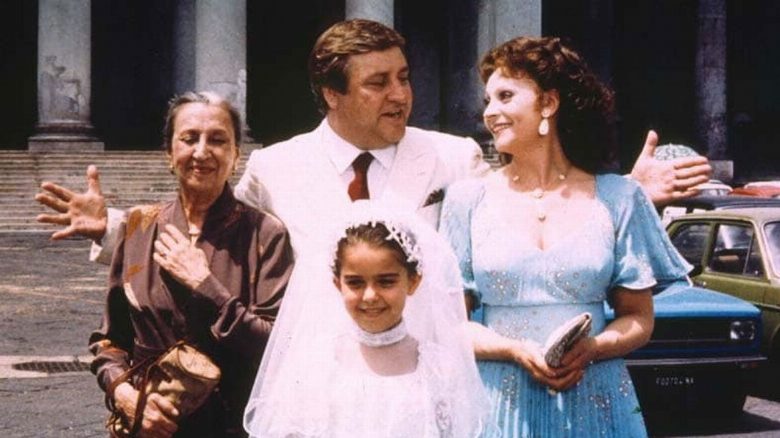
Neapolitan Tears captures the essence of a regional identity that resonates deeply with the soul of Southern Italy, mirroring the way South Indian cinema often preserves the pride of local heritage through its musical narratives. This 1981 production serves as a poignant time capsule, documenting the vibrant traditions and socio-economic struggles of Naples with a rhythmic intensity that mirrors the musical dramas we frequently celebrate in the Tamil or Telugu film industries. By weaving together comedic relief and heavy emotional stakes, the film functions as a love letter to the Neapolitan spirit, grounding its characters in the specific realities of their environment while utilizing music as an essential vessel for their collective grief and resilience.
The presence of Mario Merola adds a significant layer of gravitas to the project, as his reputation as a cultural icon in Italian popular song translates well to the screen, much like the legendary performers who anchor major Indian commercial cinema. Alongside the seasoned talent of performers like Nuccia Fumo and Pupella Maggio, the film establishes a familial atmosphere that feels both lived-in and authentic. For viewers who appreciate the intersection of folk music and character-driven storytelling, this work provides a rare window into a bygone era of Italian filmmaking that prioritizes the visceral connection between a city and its inhabitants. It avoids the polished artifice of modern global cinema, opting instead for a raw, melodramatic charm that remains captivating decades later.
Audiences who enjoy films that serve as cultural artifacts will find much to admire in this selection. It is perfectly suited for those who appreciate the theatricality of musical dramas where the songs act as internal monologues for the protagonists. By focusing on the interplay between the individual and the community, the narrative touches upon universal themes of displacement, honor, and the enduring bonds of neighborhood life. While the aesthetic reflects the stylistic conventions of the early eighties, the emotional core remains accessible to anyone interested in the broader scope of international cinema history. It stands as a testament to the power of regional storytelling to transcend borders, proving that a specific local pulse can often be the most effective way to communicate a broader human experience. Those interested in the evolution of European character studies will likely view this film as a crucial piece of the puzzle in understanding how music and drama can coexist to define a cultural movement.
Cast(18)









Crew
Production Design
Original Music Composer
Writer
Editor
Assistant Director
Director of Photography
Similar Films