About Night of the Strangler
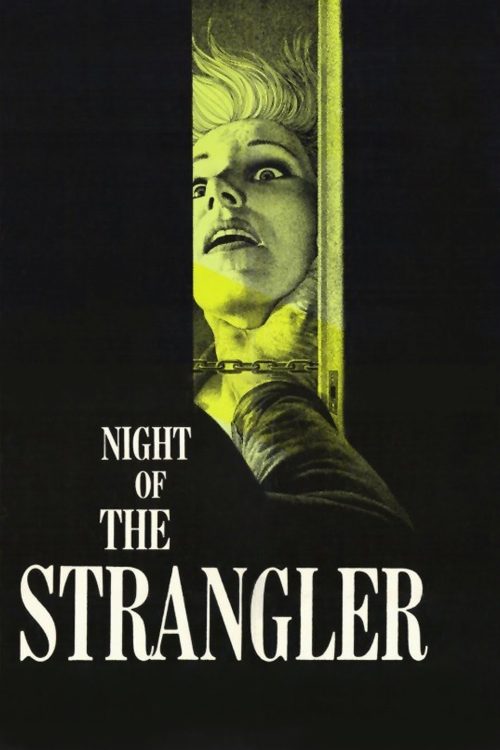
In New Orleans, a relationship between a black man and a white girl leads to a string of murders.
The humid, atmospheric streets of New Orleans serve as a suffocating backdrop for the 1972 cult thriller Night of the Strangler, a film that attempts to blend the gritty sensibilities of urban crime drama with the exploitative tropes of early seventies horror. By centering its narrative on the volatile social tensions surrounding an interracial romance, the film positions itself as a time capsule of a particularly fraught era in American cinema. While contemporary audiences familiar with the high-octane production values of modern Indian cinema might find the pacing here deliberate and the aesthetic starkly minimalist, there is a certain raw, unpolished energy that distinguishes this project from its more polished studio peers. It operates less as a traditional slasher and more as a dark, cautionary social commentary that leans heavily into the prejudice and paranoia of its setting.
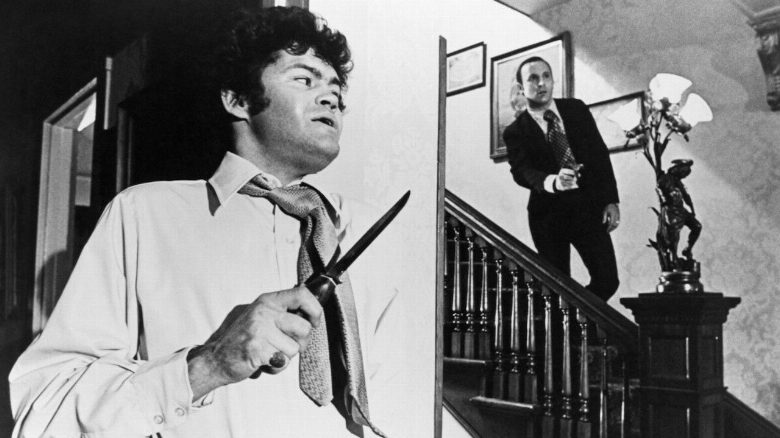
For those who appreciate the evolution of genre storytelling, the inclusion of Micky Dolenz, best known for his musical television fame, adds an intriguing layer to the casting choices. The film functions as a stark contrast to the vibrant, high-budget musical spectacles or the intricate, folklore-driven narratives often found in the current Telugu and Tamil horror landscapes. Instead of relying on supernatural elements or grand spectacle, Night of the Strangler extracts its terror from the very real, ugly frictions of human bigotry and systemic rage. It is a piece of historical curiosity that will likely appeal to students of exploitation cinema or those interested in how filmmakers navigated sensitive racial themes during a transitional period in Hollywood history.
The film successfully captures a specific mood of dread that feels tethered to the physical environment of its Louisiana location. Rather than relying on jump scares or elaborate creature designs, the director focuses on the psychological weight of the looming threat, creating a sense of inevitability that permeates every scene. It is not necessarily a polished masterpiece, but it remains a notable example of how low-budget independent filmmaking can tackle complex societal issues through the lens of suspense. Viewers looking for a grounded, period-specific experience that avoids the glossy sheen of modern thrillers will find this a compelling, if occasionally uneven, exploration of fear in the face of intolerance. Its legacy persists in the way it daringly intertwined social drama with the mechanics of the murder mystery, ensuring it remains a frequently discussed title among niche film enthusiasts who value the experimental risks taken by independent creators of the seventies.
Cast(12)