About Now We're in the Air
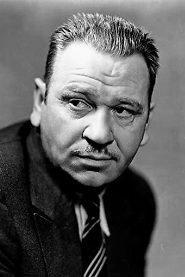
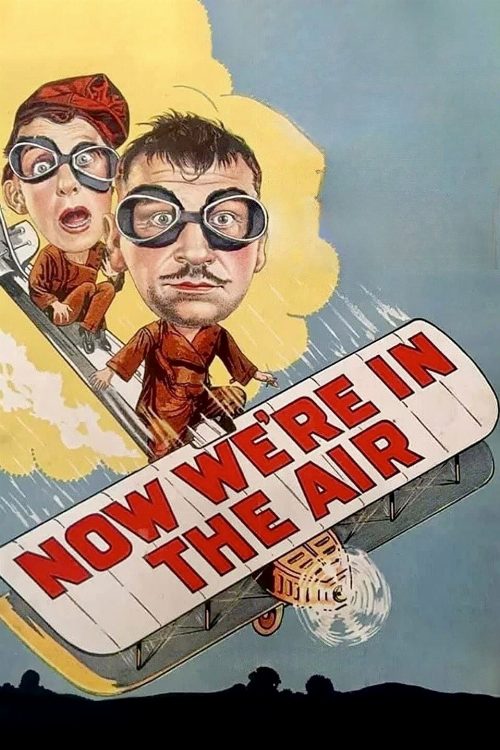
Wally and Ray are cousins intent upon getting the fortune of their Scots grandad, an aviation nut. They become mixed-up with the U. S. flying corps and are wafted over the enemy lines in a runaway balloon. Through misunderstanding they are honored as heroes of the enemy forces, and sent back to the U.S. lines to spy. Here they are captured and almost shot, but everything ends happily. Only 20 minutes of this 6 reel comedy are extant.
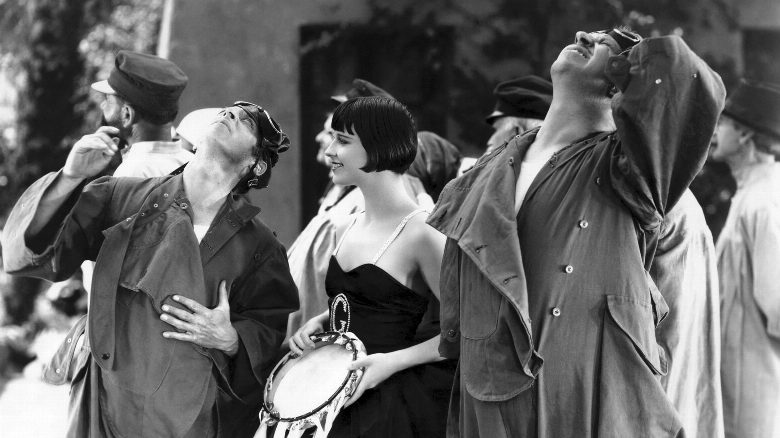
The silent era of Hollywood often leaned into slapstick absurdity to capture the imagination of audiences, and Now We Are in the Air stands as a fascinating, albeit fragmented, relic of this comedic tradition. Directed by Frank R. Strayer, the production centers on two cousins whose desperate pursuit of an inheritance leads them into the chaotic ranks of the military aviation corps. What sets this film apart is its commitment to the classic comedy of errors, utilizing the high stakes of wartime aeronautics as a backdrop for a series of escalating misunderstandings. While modern viewers are accustomed to polished CGI spectacles, this 1927 release relied heavily on the physical prowess and expressive timing of its leads, Wallace Beery and Raymond Hatton, who were frequently paired during this period to capitalize on their contrasting screen personas.
The historical significance of this film is amplified by the presence of the legendary Louise Brooks, whose brief but luminous career continues to fascinate cinephiles today. For those interested in the evolution of early cinema, this feature serves as a somber reminder of the fragility of film history; with only a small fraction of the original footage surviving, the movie exists largely as a ghostly placeholder for a lost comedic vision. It represents a time when the aviation craze was sweeping the globe, influencing everything from newsreels to narrative features in both Western markets and the burgeoning international film industries that would eventually give rise to the robust regional cinemas we cover today. The juxtaposition of the dangerous aerial environment with the bumbling nature of the protagonists creates a tension that likely played well with audiences looking for escapism during the interwar years.
This film is a mandatory watch for students of silent era slapstick and those who appreciate the foundational mechanics of the buddy comedy genre. It functions as a bridge between the vaudeville roots of early performers and the structured narrative filmmaking that would define the studio era. By examining the remaining segments, one gains insight into how directors like Strayer balanced technical limitations with the need for broad, accessible humor. Whether you are a fan of classic Hollywood artifacts or an admirer of Louise Brooks, this production offers a window into a vanished world of aviation-themed humor that paved the way for decades of cinematic misadventures. Despite its truncated state, it remains a vital entry point for understanding the trajectory of early twentieth century comedic storytelling.
Cast(8)