About OCD
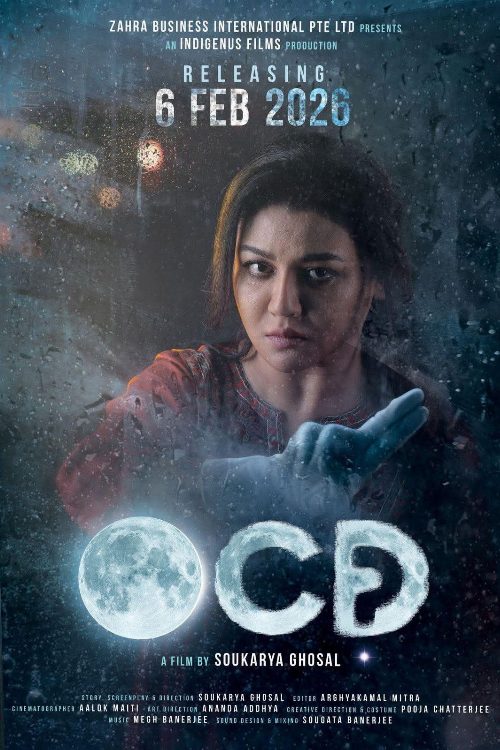
When her unpunished childhood abuser returns, Shweta confronts her past through a dangerously precise plan for revenge.
The psychological thriller OCD arrives as a stark reminder of the evolving landscape in Bengali cinema, where filmmakers are increasingly moving away from traditional melodrama to explore the darker, more intricate corners of the human psyche. Director Soukarya Ghosal has carved a niche for himself by blending unconventional storytelling with deeply rooted social anxieties, and this project appears to be his most disciplined exploration of trauma yet. By centering the narrative on a protagonist who must navigate the haunting resurgence of a figure from her formative years, the film delves into how unresolved pain can manifest as a rigid, perhaps even paralyzing, need for control. It is a bold departure from typical genre fare, prioritizing internal tension over explosive action and forcing the audience to sit uncomfortably with the protagonist as she constructs a meticulous strategy to settle a long-standing score.
The casting of Koneenica Banerjee in the lead role suggests a performance defined by nuance and restraint, which is essential for a story that relies so heavily on the psychological state of its central character. Alongside veterans like Anashua Majumdar and Fazlur Rahman Babu, the ensemble brings a sense of grounded realism to a premise that could easily veer into sensationalism. In the current regional film climate, where audiences are showing a growing appetite for high-stakes narratives that challenge the status quo, this film fits perfectly into a trend of character-driven thrillers that prioritize atmosphere and pacing. It captures the specific cultural weight of secrets buried within domestic settings, reflecting a shift toward stories that examine how generational cycles of abuse continue to influence the choices of modern individuals.
Viewers who gravitate toward films like Kahaani or the more cerebral works of the contemporary Bengali new wave will likely find this project compelling. It is designed for an audience that appreciates a slow-burn approach, where every frame serves a purpose and the real violence lies in the anticipation of the next move. Rather than relying on jump scares or conventional tropes, the film positions itself as a cerebral chess match between a victim reclaiming her agency and the shadows of a past that refused to stay buried. By focusing on the intersection of mental health and retribution, the production offers a chilling study of how a person might attempt to impose order on a life shattered by an early injustice, making it a must-watch for those who enjoy cinema that lingers in the mind long after the credits have finished rolling.