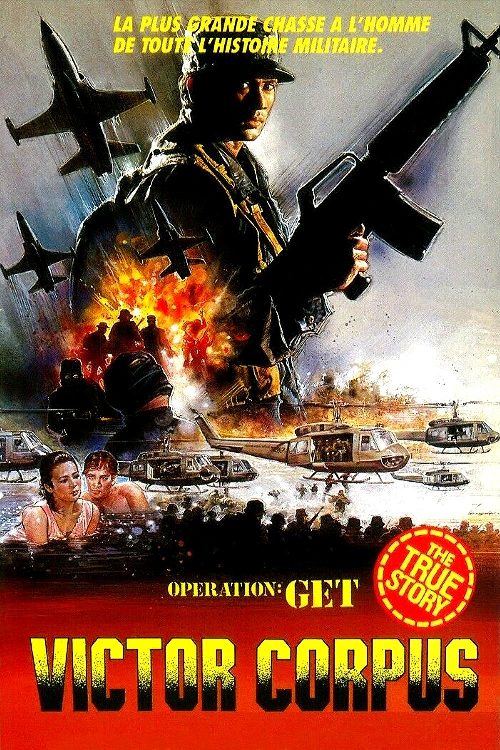
Operation: Get Victor Corpus - The Rebel Soldier(1987)
About Operation: Get Victor Corpus - The Rebel Soldier
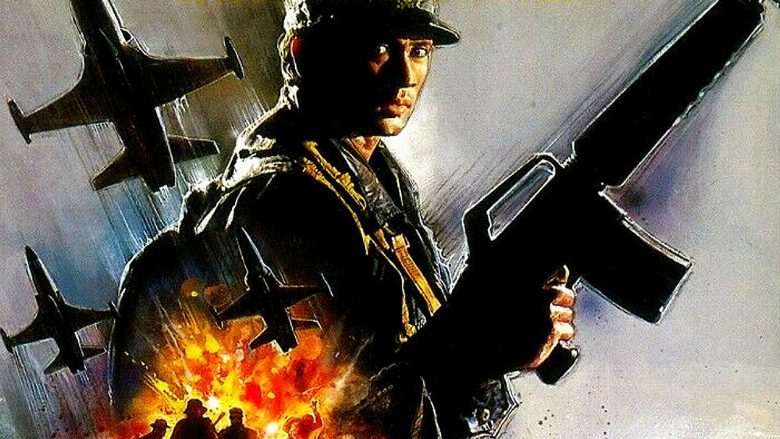
Lt. Victor N. Corpus, a graduate of and subsequently instructor at the Philippine Military Academy (PMA, the Philippine equivalent of West Point), who in 1970 defected to the New People's Army (NPA), the armed wing of the Communist Party of the Philippines. When he defected, he led a group of NPA guerrillas in raiding the PMA armory and bringing out high-powered firearms that considerably boosted the guerrilla group's armed strength.
The cinematic landscape of the late eighties often gravitated toward high-octane political dramas, yet few projects captured the ideological turbulence of the era quite like Operation Get Victor Corpus. By anchoring its narrative in the real-life transformation of a decorated military instructor into a disillusioned insurgent, the film bridges the gap between conventional action spectacle and historical interrogation. While contemporary audiences might be accustomed to the polished biopics of today, this production offers a raw, unfiltered look at the fracture points within the Philippine armed forces during a period of extreme social unrest. Director Pablo Santiago utilizes this volatile material to craft a tense atmosphere that prioritizes the internal conflict of its protagonist over simple heroics, marking it as a significant artifact of Filipino cinema history.
The film serves as a compelling study of radicalization, positioning itself as a gritty character piece rather than a standard military procedural. Rudy Fernandez delivers a performance that requires him to navigate the thin line between duty and conviction, a theme that resonates deeply with viewers who appreciate psychological depth in their action stars. For those interested in how regional cinema engages with revolutionary politics, this film provides a vital case study on how national identities are challenged when an individual abandons their institution to join the very forces they were trained to dismantle. It is a work that demands the audience grapple with the complexities of loyalty and the heavy cost of ideological shifts.
Fans of retro action cinema who enjoy narratives based on actual events will find this entry particularly gripping. It stands out in the wider Asian cinematic landscape by avoiding the typical tropes of black-and-white morality, opting instead for a grey terrain where the lines between soldier and rebel become blurred. By focusing on the logistical and moral implications of the infamous armory raid, the film transforms a historical footnote into a high-stakes standoff. Those who follow the career of Ricky Davao or are familiar with the influential filmography of Pablo Santiago will recognize the stylistic signatures that define this period of local production. Ultimately, the film is an essential watch for cinephiles who value stories that challenge the status quo and offer a window into the turbulent political soul of a nation in transition.