About Plumber in love
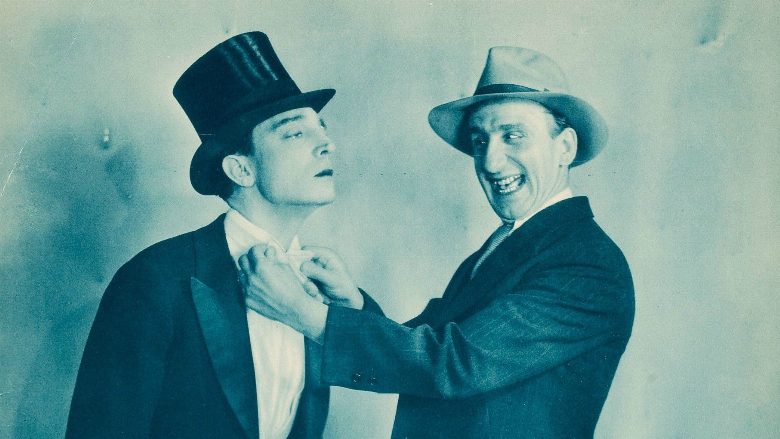
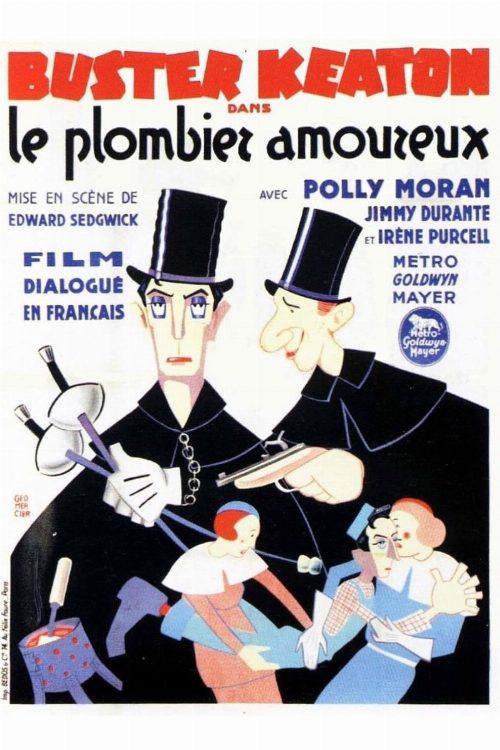
This is the French-language version of Buster Keaton's The Passionate Plumber (1932). This film is presumed to be lost.
Stepping into the annals of early sound cinema, the 1932 production Plumber in Love serves as a fascinating curiosity for historians of global comedy. While the American counterpart starring Buster Keaton remains a staple of the silent-to-talkie transition era, this French-language iteration offers a glimpse into how Hollywood studios attempted to capture international markets by refilming scripts with localized casts. Because the reels are believed to be lost to time, the film exists now primarily as a phantom of French-language comedy, representing a period when the burgeoning talkie format encouraged a unique cross-pollination between American slapstick traditions and European performance sensibilities. It stands as a testament to the experimental phase of the early thirties, where the language barrier was often bridged by remaking entire features rather than relying on the nascent and often clunky technology of dubbing.
The premise centers on the chaotic romantic entanglements of a handyman, a trope that allowed for the kind of physical comedy and situational absurdity that defined the era. For audiences today, the appeal of such a film lies in its position as a missing link in the evolution of screwball comedy. Even without the ability to view the performance, the structure of the narrative suggests a reliance on the classic comedic timing that directors like Edward Sedgwick mastered during their tenure in the studio system. It is a work for the dedicated cinephile, specifically those interested in the history of international distribution and the ways in which global cinema began to homogenize its narrative beats during the Great Depression. The presence of actors like George Davis and Jean Del Val suggests a deliberate attempt to infuse the production with a flavor that would resonate with French-speaking viewers while maintaining the high-energy pacing of a Hollywood romp.
For those who track the career of Edward Sedgwick, this project highlights his role as a versatile craftsman capable of navigating the complex logistical demands of the early sound transition. While modern Indian cinema enthusiasts might recognize the current trend of pan-Indian remakes as a contemporary phenomenon, Plumber in Love reveals that the impulse to tailor stories for specific regional audiences is as old as the medium itself. The film remains a compelling case study of what happens when a studio attempts to export American humor through a foreign lens. Although we are denied the chance to experience the actual sight gags and dialogue, the legacy of this lost feature remains a vital footnote in the history of global film production, reminding us that the search for universal laughter has always been a truly international endeavor.