About Polarized
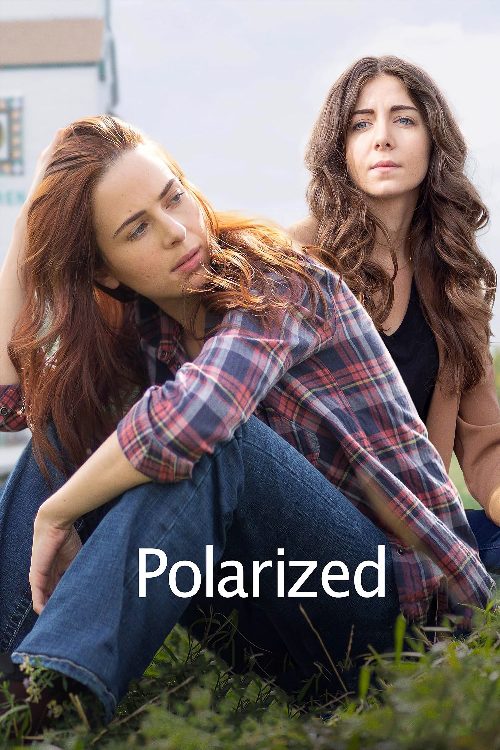
Lisa, an aspiring songwriter, whose farming family has suffered foreclosure is forced to work at a new, 'urban farm' where she meets Dalia. Her casual racism leads her to be fired but the women end up drawn into a passionate affair.
The landscape of contemporary independent cinema often thrives when it forces disparate worlds to collide, and the 2025 drama Polarized serves as a compelling case study in this type of friction. By centering its narrative on the intersection of rural displacement and modern urban gentrification, the film positions itself as a character-driven study rather than a standard romance. We follow Lisa, a young woman whose sense of self is deeply tied to her family’s lost agricultural legacy, as she attempts to navigate a landscape that feels increasingly alien to her. Her transition into the world of trendy, city-based agriculture creates a volatile environment where personal prejudices and hidden vulnerabilities are laid bare. It is a bold premise that trades the typical gloss of romantic dramas for something far more grounded and uncomfortable.
For audiences familiar with the current wave of international films that prioritize social realism alongside intimate relationships, Polarized offers a refreshing perspective. While the film is produced in English, it mirrors the thematic intensity found in many regional Indian dramas that explore the tension between traditional livelihoods and the creeping encroachment of corporate-style development. Hazel Venzon delivers a performance that captures the stubborn, jagged edges of a protagonist struggling with her own internal biases, making her eventual connection with Dalia feel both earned and inherently fragile. The directorial approach avoids easy answers, choosing instead to linger on the quiet, often unspoken power dynamics that define how we categorize the people we encounter.
This film is ideally suited for viewers who appreciate stories that challenge them to empathize with flawed individuals. It does not demand that we like Lisa, but it demands that we understand the desperation and the cultural displacement that shape her outlook. By stripping away the artifice of its urban setting, the movie forces the two leads into a space where their differing backgrounds are the primary obstacle to their burgeoning attraction. As the narrative progresses, the film effectively asks whether genuine connection can survive the heat of conflicting worldviews. It stands as a significant entry in this year’s slate of dramas, proving that even as our social divides grow wider, the most intimate spaces remain the most difficult to navigate. Those seeking a sophisticated exploration of how identity shapes our capacity for love will find this to be a thought-provoking experience that lingers long after the final scene.
Cast(24)