About Pressure
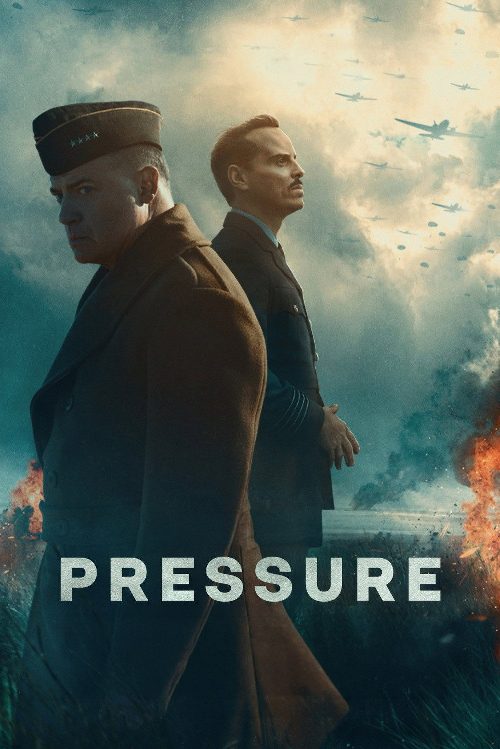
In the tense 72 hours before D-Day, and the fate of the free world hanging in the balance, General Dwight D. Eisenhower and Captain James Stagg face an impossible choice—launch the largest and most dangerous seaborne invasion in history or risk losing the war altogether.
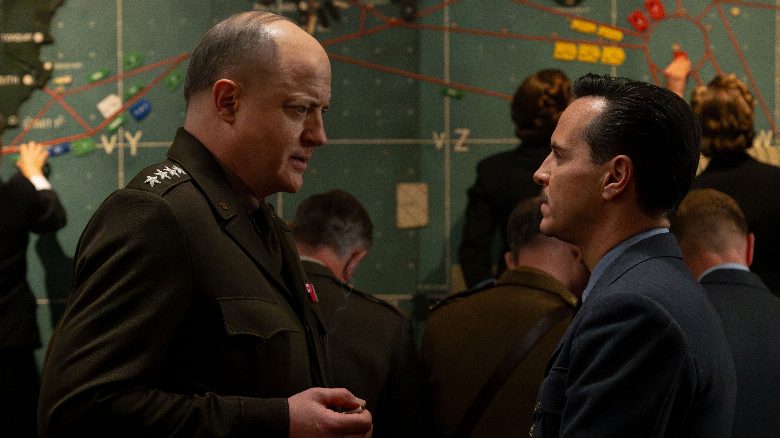
The weight of global history often rests on the shoulders of a few individuals trapped in rooms filled with smoke and ticking clocks, a dynamic that Pressure captures with harrowing precision. Set during the agonizing three-day window immediately preceding the Normandy landings, this English-language thriller shifts the focus away from the chaotic beaches and toward the claustrophobic command centers where meteorological data became the ultimate weapon. While many war films lean heavily into visceral combat sequences, this project distinguishes itself by treating atmospheric pressure and weather patterns as the primary antagonists. It is a calculated gamble on character-driven suspense, positioning the audience alongside the architects of the invasion as they navigate the terrifying uncertainty of a mission that could either liberate a continent or collapse into total catastrophe.
For fans of Indian cinema who have grown accustomed to the grand-scale historical epics and high-stakes political dramas currently dominating the pan-Indian landscape, this film offers a fascinating cross-cultural parallel. Much like the intense, dialogue-heavy tension found in the best Malayalam or Hindi political thrillers, the narrative relies on the interplay of egos and the crushing burden of responsibility rather than mere spectacle. The production utilizes a formidable ensemble cast led by Andrew Scott, whose ability to convey internal turmoil makes him an ideal choice for the high-pressure environment of the Allied command. Seeing seasoned actors like Brendan Fraser and Damian Lewis anchor such a grounded premise suggests a project that prioritizes acting craft and script integrity over digital artifice, a trend that continues to gain traction with global audiences weary of standard action tropes.
This film is clearly tailored for viewers who appreciate cerebral pacing and the slow-burn escalation of stakes. By narrowing the scope to a seventy-two-hour countdown, the storytelling forces a deep dive into the psychological toll of leadership. It serves as a stark reminder that the outcome of massive geopolitical movements is often decided by flawed, weary human beings forced to make impossible calls based on incomplete information. As it navigates the historical record, the film appears set to join the ranks of essential war dramas that prefer the quiet intensity of a decision-making chamber over the roar of the battlefield. It is a sophisticated addition to the historical genre, perfect for those who want their cinema to challenge their intellect while keeping them anchored to the edge of their seats until the final frame.
Cast(14)