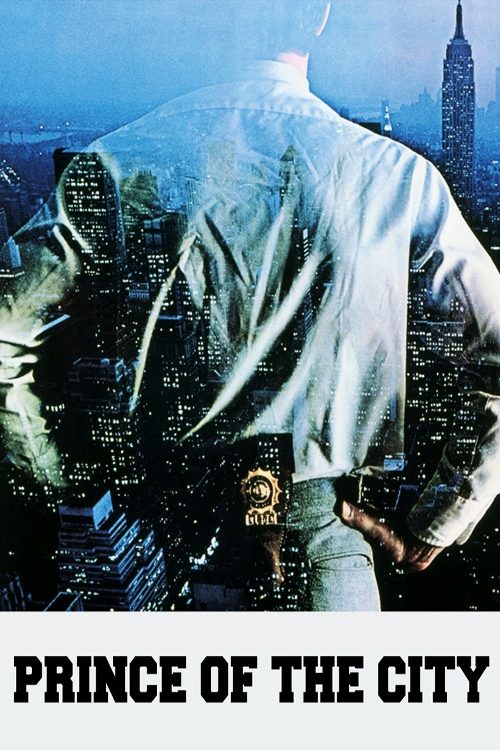
About Prince of the City
New York City detective Daniel Ciello agrees to help the United States Department of Justice help eliminate corruption in the police department, as long as he will not have to turn in any close friends. In doing so, Ciello uncovers a conspiracy within the force to smuggle drugs to street informants.
Sidney Lumet possessed an uncanny ability to turn the labyrinthine halls of New York City institutions into pressure cookers, and Prince of the City stands as perhaps his most grueling examination of moral erosion. Released in 1981, this sprawling crime drama eschews the stylized glamour of urban noir in favor of a granular, uncomfortable look at the cost of righteousness. Treat Williams delivers a career-defining performance as Danny Ciello, a narcotics officer whose attempt to navigate the thin line between informant and loyal partner creates a psychological fallout that is as compelling as it is devastating. Unlike many gritty police procedurals that focus on the thrill of the chase, this film anchors its weight in the claustrophobic meetings and whispered betrayals that characterize internal investigations.
For viewers who admire the intricate storytelling found in the current wave of high-stakes Malayalam or Tamil investigative dramas, this film offers a fascinating historical parallel. Just as contemporary Indian cinema has increasingly interrogated the grey areas of systemic power and police accountability, Lumet was already dissecting the rot within the NYPD with surgical precision decades ago. The narrative tension does not stem from gunfights or high-speed chases, but from the shifting loyalties of men who are trapped by their own past actions. The film demands a patient audience, favoring long, dialogue-heavy sequences that allow the weight of Ciello’s secrets to suffocate the frame. It serves as a masterclass in how to build suspense through character study rather than explosive set pieces.
Treat Williams anchors the film with a frantic, sweat-soaked intensity that captures the agony of a man who believes he can compartmentalize his integrity. He is supported by a cast of veteran character actors who make the institutional bureaucracy feel lived-in and dangerously authentic. Because the film avoids the easy catharsis of a standard hero’s journey, it remains a challenging watch, perfect for cinephiles who appreciate movies that prioritize intellectual rigor over spectacle. It is a quintessential entry in the canon of American crime dramas, maintaining its relevance by asking a question that transcends borders and decades: when a system is fundamentally flawed, can any single individual truly remain clean? This remains an essential watch for those interested in the evolution of the procedural genre and the darker side of metropolitan policing.
Cast(40)