About Prison
A filmmaker sets out to create the greatest film in history, but finds out that human abilities have limits.
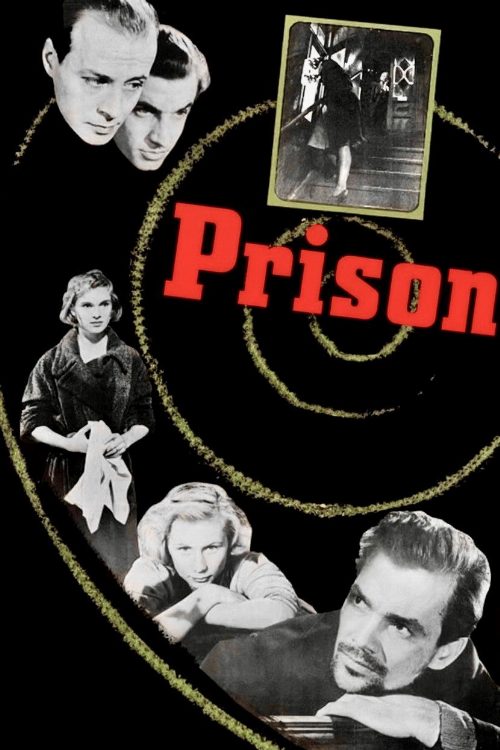
Cinema often serves as a mirror for the anxieties of its creators, and few films capture the existential dread of the artistic process as sharply as the 1949 Swedish drama Prison. Directed by Ingmar Bergman, this early entry in his storied filmography explores the fragile boundary between the stories we dream of telling and the harsh realities of the human condition. While contemporary Indian audiences are accustomed to high stakes narratives in Telugu or Tamil cinema that blend philosophical inquiries with grand spectacles, Bergman offers something far more intimate and stark. He presents a narrative where a director attempts to craft a magnum opus, only to grapple with the realization that even the most ambitious artistic vision is tethered to the inherent limitations of the mortal experience. It is a work that feels remarkably modern in its self-reflexive nature, inviting viewers to peek behind the curtain of the creative struggle.
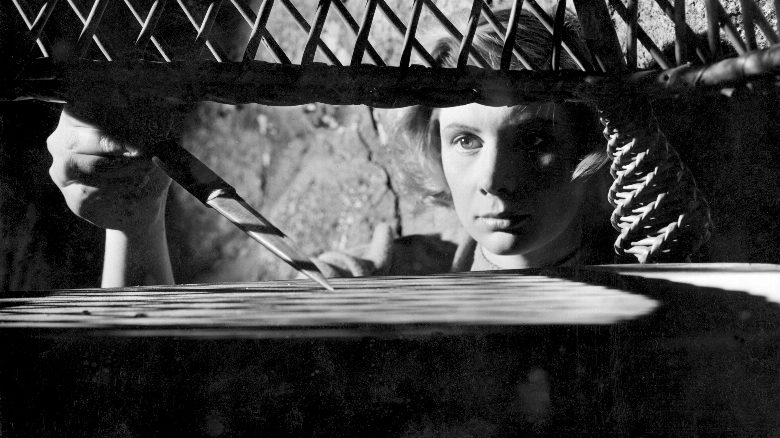
The film functions as a somber meditation on life as a form of confinement, where the characters find themselves trapped by their own pasts and their inability to transcend the mundane. For those who appreciate the psychological depth found in the works of directors like Mani Ratnam or the nuanced character studies common in the Malayalam film industry, Prison provides a fascinating historical touchstone. It captures a director still refining the visual language that would eventually define his legendary career, utilizing shadows and stark framing to mirror the inner turmoil of his protagonists. The performances, particularly from the ensemble cast including Birger Malmsten and Eva Henning, anchor the philosophical questions in raw, palpable human emotion.
This piece is essential viewing for cinephiles who value the evolution of world cinema and want to see how the foundations of arthouse storytelling were laid mid-century. It is not merely a historical curiosity but a haunting look at why we create art and whether that act can ever truly liberate us from our own suffering. By stripping away the artifice of traditional storytelling, the film challenges the viewer to confront the same existential questions that the protagonist faces within the narrative. Whether you are a dedicated follower of global auteur cinema or simply someone intrigued by the intersection of philosophy and film, this project stands as a testament to the enduring power of the medium to question the very nature of existence. It remains a compelling, if challenging, watch that demands reflection long after the final frame disappears.
Cast(13)