
Protest(2001)
About Protest
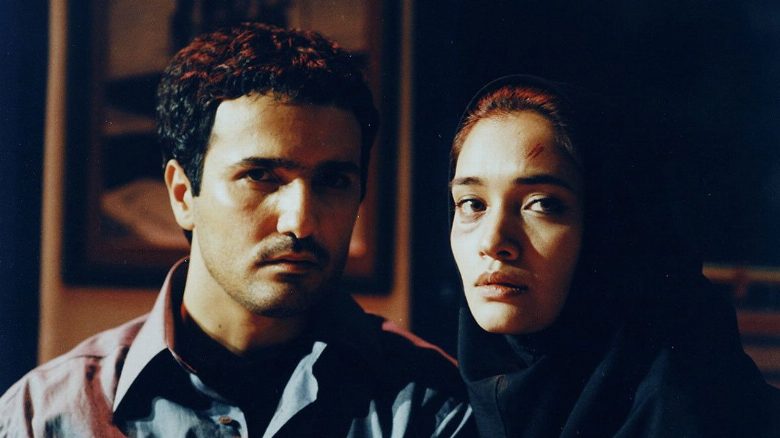
When Amir learns that the woman who is to marry his younger brother Reza is having an affair with another man, he murders her to restore his family's good name. Considering the killing to be a matter of honor, Amir stoically goes to prison for 12 years where his fellow inmates regard him as a hero. But when he is released, he discovers that the Iran he knew has changed.
Masoud Kimiai has long been a titan of Iranian cinema, known for his gritty explorations of masculinity, loyalty, and the shifting moral landscape of his nation. His 2001 feature Protest serves as a bridge between the classic themes of the director’s earlier work and the evolving social pressures of a rapidly modernizing society. By centering the narrative on a man returning to a world that no longer aligns with his hardened worldview, the film creates a compelling study of displacement and the hollowness of rigid honor codes. Instead of relying on simple action, the screenplay digs into the psychological toll of incarceration and the subsequent shock of re-entering a reality that has moved beyond the archaic definitions of respect that once fueled the protagonist’s violent choices.
The story follows Amir, a man who views his lengthy prison sentence as a necessary sacrifice to uphold the reputation of his kin. His return to civilian life acts as a mirror for the audience, reflecting how quickly the values of a country can transform while an individual remains frozen in time. The chemistry between the cast, featuring veterans like Dariush Arjmand alongside rising talents of that era like Mohammad Reza Foroutan, provides the heavy emotional lifting required to make the character arcs believable. The film captures an atmosphere of unease, where the brotherhood and loyalty that once defined Amir’s existence now seem like relics from a forgotten era. It is this tension between the old guard and the new generation that keeps the viewer engaged, even as the narrative takes dark, introspective turns.
For those who appreciate international dramas that prioritize character psychology over high-octane spectacle, this piece is an essential watch. It occupies a unique space in global cinema, reminiscent of the hard-boiled crime dramas often found in the Indian industry where family honor and social standing are similarly central to the conflict. Viewers who enjoy the works of directors who challenge the status quo will find plenty to analyze in this exploration of regret and societal obsolescence. By refusing to paint its protagonist as a simple villain or a traditional hero, the film invites a deeper examination of how personal ethics collide with shifting cultural tides. It remains a stark reminder that even the most grounded, principled actions can lose their meaning when the world around them refuses to stand still.



