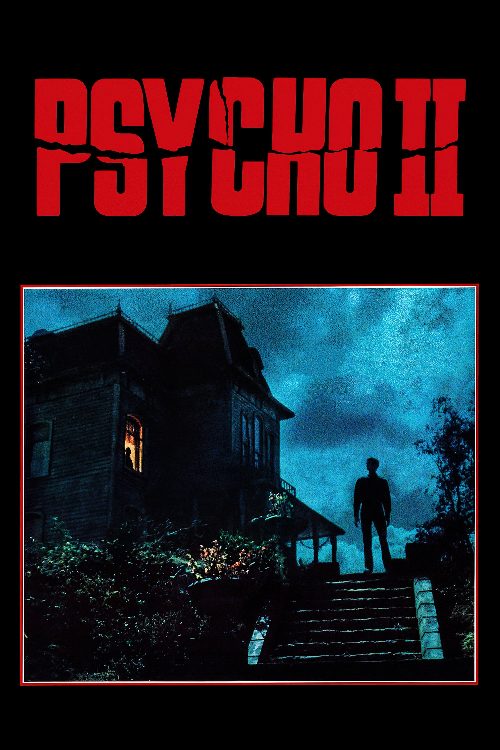
About Psycho II
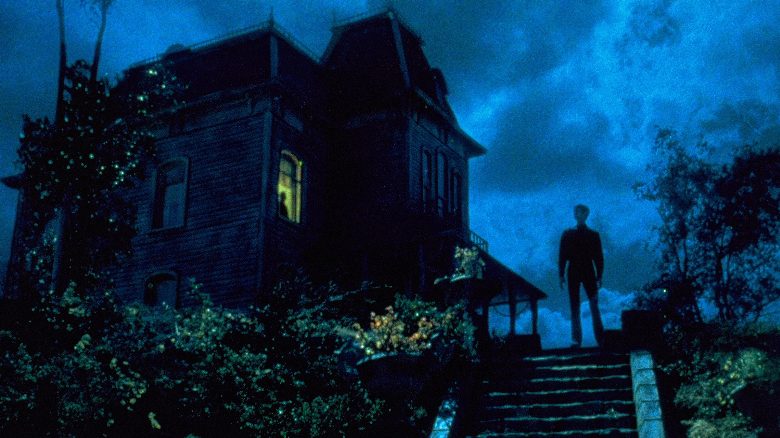
Norman Bates is declared sane and released from the facility in which he was being held, despite the complaints of Lila Loomis, sister of his most famous victim. Is he really cured, or will he kill again?
Returning to the shadow of the Bates Motel two decades after the original cinematic earthquake, Psycho II occupies a fascinating space in the history of the horror sequel. While the modern landscape of global cinema, particularly the thriving thriller industries of India, often leans into supernatural tropes or elaborate revenge sagas, this film remains a masterclass in psychological suspense and the weight of legacy. It asks a haunting question that resonates across cultures: can a fractured mind ever truly find peace, or is the past an inescapable trap? By focusing on the internal struggle of its protagonist as he attempts to reintegrate into a world that remembers his darkest hours, the movie transcends the typical slasher template to explore themes of redemption and societal paranoia.
The film is positioned as a brave experiment that challenges the audience to sympathize with a character defined by his infamy. For viewers who appreciate the slow burn of psychological dramas, this narrative offers a compelling study of character transformation. It avoids the trap of relying solely on shocks, choosing instead to build tension through the skepticism of those around the protagonist who refuse to believe in his recovery. This dynamic mirrors the social friction often seen in regional Indian cinema, where the protagonist is frequently forced to confront a community that refuses to forget or forgive past transgressions. Fans of atmospheric thrillers will find this a refreshing deviation from the predictable tropes of the genre.
Director Richard Franklin succeeds by honoring the visual language of the predecessor while establishing a distinct mood that reflects the changing sensibilities of the early eighties. The performances are grounded, lending a sense of authenticity to a premise that could have easily spiraled into parody. Rather than simply recycling the familiar frights of the original, the story leans into the ambiguity of its central figure, keeping the audience constantly off balance. It stands as a testament to the idea that a sequel can provide a meaningful extension of a story rather than just a hollow imitation. Whether one is a seasoned enthusiast of classic suspense or a newcomer intrigued by the evolution of the slasher archetype, this film remains an essential piece of cinema history. It serves as a reminder that the most terrifying monsters are often the ones we create in our own minds, a theme that continues to echo through the corridors of contemporary suspense filmmaking globally.
Cast(29)