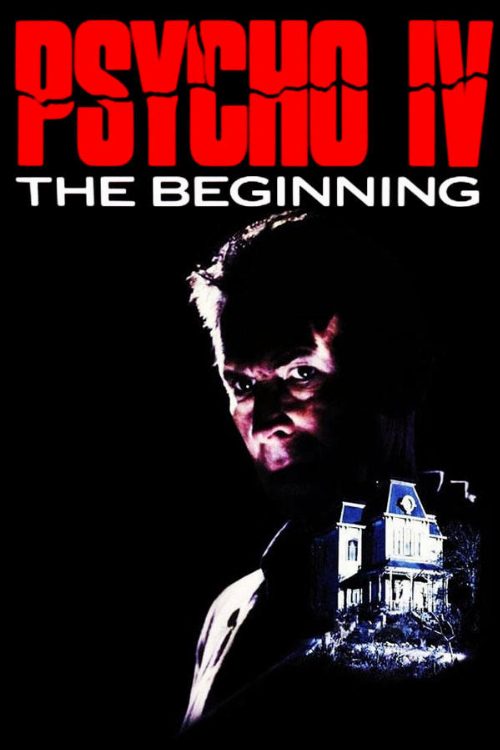
Psycho IV: The Beginning(1990)
About Psycho IV: The Beginning
When he hears talk radio host Fran Ambrose discussing the topic of matricide, Norman calls in under a false name to tell his story.
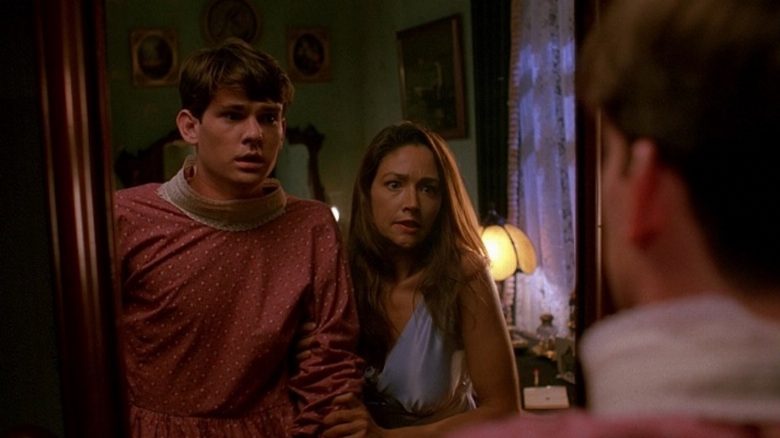
Stepping back into the fractured consciousness of one of cinema's most notorious figures, Psycho IV: The Beginning serves as both a psychological bridge and a deep dive into the formative traumas of Norman Bates. While many franchises in the slasher genre lean heavily into repetitive gore, this installment pivots toward a somber, intimate character study that examines the toxic codependency between a mother and son. By framing the narrative through a late-night radio broadcast, the film creates a claustrophobic atmosphere that feels less like a traditional horror sequel and more like a confessional chamber piece. This approach marks a significant stylistic departure for the series, opting for atmospheric dread and internal turmoil over the jump scares that defined the late eighties slasher landscape.
The film occupies a fascinating space in the annals of thriller history, particularly for those who appreciate how legacy characters are reinterpreted decades after their debut. For viewers accustomed to the high-octane spectacle of contemporary Indian regional cinema, where suspense is often heightened by elaborate set pieces and hyper-stylized editing, the restraint on display here offers a different kind of intensity. It is a slow-burn experience that benefits from the return of Anthony Perkins, whose enduring presence anchors the narrative and provides a haunting continuity to the original masterpiece. His performance captures the tragic vulnerability of a man trapped by his own memories, making the film essential viewing for enthusiasts of classic suspense who value acting range over gratuitous violence.
Director Mick Garris navigates the delicate balance of expanding upon a legendary mythos without undermining the gravity of the source material. By focusing on the origin of the protagonist's psychosis, the story invites the audience to consider the roots of villainy rather than simply witnessing its aftermath. This is a must-watch for those who enjoy psychological dramas that explore the dark corners of the human psyche. Even as the medium of television limited the scope of the production, the writing compensates with sharp dialogue and a palpable sense of unease. Whether you are a long-time devotee of the franchise or a newcomer interested in the evolution of the slasher archetype, this chapter stands as a thought-provoking exploration of how past traumas dictate the trajectory of a shattered life.
Cast(13)