Pussy Riot: A Punk Prayer(2013)
About Pussy Riot: A Punk Prayer
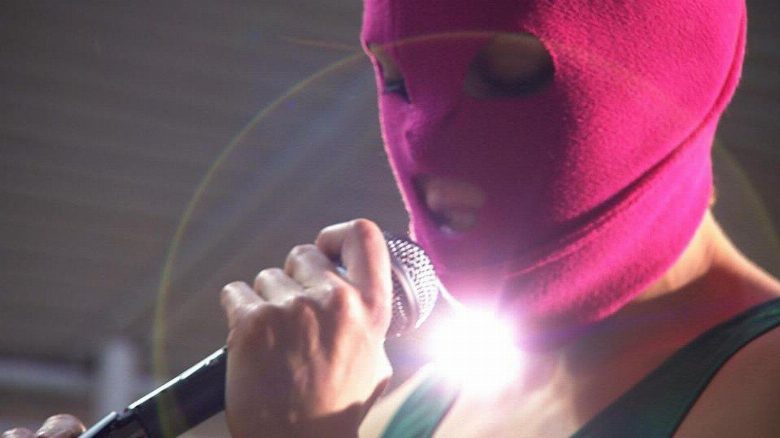
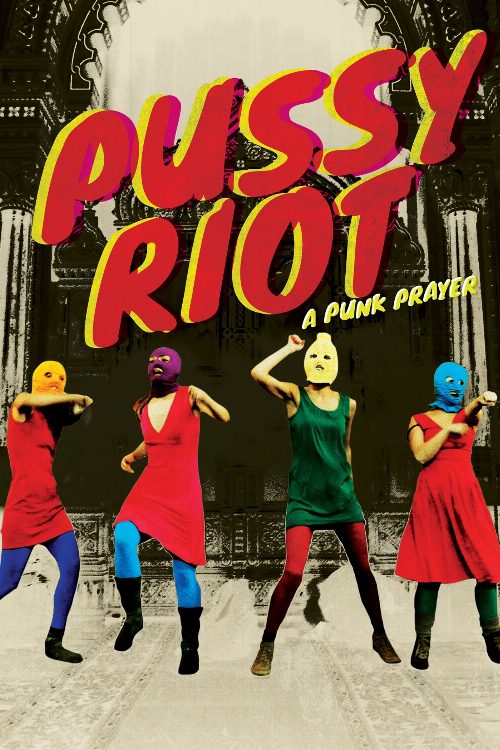
In the winter of 2011, after a controversial election, Vladimir Putin was reinstalled as president of Russia. In response, hundreds of thousands of citizens rose up all over the country to challenge the legitimacy of Putin’s rule. Among them were a group of young, radical-feminist punk rockers, better known as Pussy Riot. Wearing colored balaclavas, tights, and summer dresses, they entered Moscow’s most venerated cathedral and dared to sing “Mother Mary, Banish Putin!” Now they have become victims of a “show” trial.
The intersection of political dissent and performance art rarely finds a lens as sharp as the one captured in the 2013 documentary Pussy Riot A Punk Prayer. Directed by Maxim Pozdorovkin, this film serves as a visceral time capsule of the shifting social landscape in Russia during the early 2010s. While global audiences often view foreign protest movements through a detached geopolitical filter, this documentary demands a more intimate engagement. It follows the trajectory of a radical feminist collective whose decision to stage an unauthorized performance inside a cathedral transformed them from underground musicians into symbols of a nationwide struggle against entrenched authoritarianism. For viewers accustomed to the high-stakes musical dramas frequently produced within the Indian film industries, where storytelling often leans into grand emotional crescendos, this work offers a starkly different flavor of defiance. It is less a concert film and more an exploration of how a few minutes of provocative theater can dismantle the veneer of state power and invite a brutal legal reckoning.
The documentary stands out for its ability to humanize the figures beneath the neon balaclavas, moving beyond the sensationalist headlines that dominated international news cycles at the time. By focusing on the personal lives, ideological foundations, and family connections of the accused, the narrative highlights the cost of standing against a political juggernaut. It is a compelling study for anyone fascinated by the sociology of protest or the evolution of modern activism in restrictive climates. The film does not merely track the legal proceedings of a show trial but interrogates the uncomfortable boundaries between religious sanctity, state control, and the right to public expression.
This piece of cinema will resonate deeply with audiences who appreciate non-fiction narratives that do not shy away from the gritty, unvarnished realities of activism. It is positioned as a quintessential viewing experience for those who follow independent documentary filmmaking, particularly those interested in stories where music serves as the primary weapon against institutional silence. Even a decade later, the film remains a potent reminder of how quickly the lines between artistic expression and political criminality can blur in the eyes of a nervous government. Whether you are a scholar of contemporary history or a fan of stories featuring unconventional protagonists challenging the status quo, this documentary provides a haunting and essential look at the vulnerability of the individual when faced with the machinery of a state.
Cast(12)