Radioactive(2020)
About Radioactive
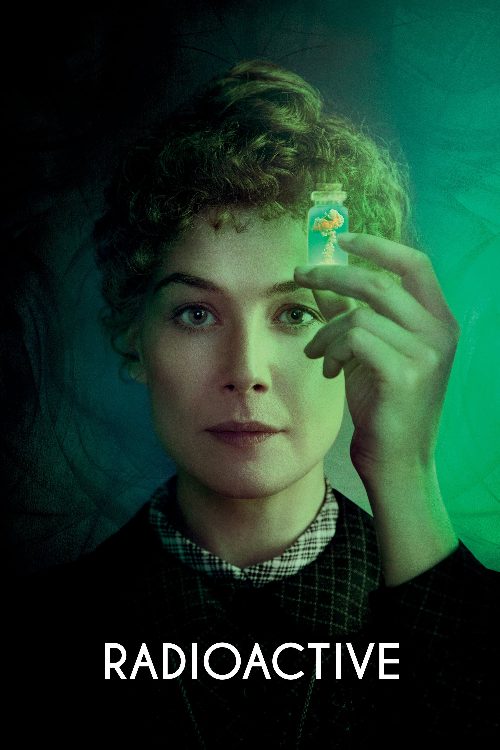
The story of Nobel Prize winner Marie Curie and her extraordinary scientific discoveries—through the prism of her marriage to husband Pierre—and the seismic and transformative effects their discovery of radium had on the 20th century.
Few cinematic portraits manage to balance the rigorous coldness of a laboratory with the volatile heat of a personal life quite like Marjane Satrapi does in her biographical study of Marie Curie. While global cinema has recently seen a surge in prestige dramas exploring the intersection of genius and domestic instability, this film distinguishes itself by refusing to categorize its subject as a mere icon of progress. Instead, it positions the protagonist as a woman fighting through the stifling gender barriers of the early twentieth century, using her volatile marriage to Pierre Curie as a mirror for the unpredictable elements she sought to isolate. For audiences accustomed to the hyper-stylized storytelling found in contemporary Indian biopics that often romanticize the struggles of historical figures, this work offers a starkly different, almost abrasive perspective on what it means to leave a lasting mark on human history.
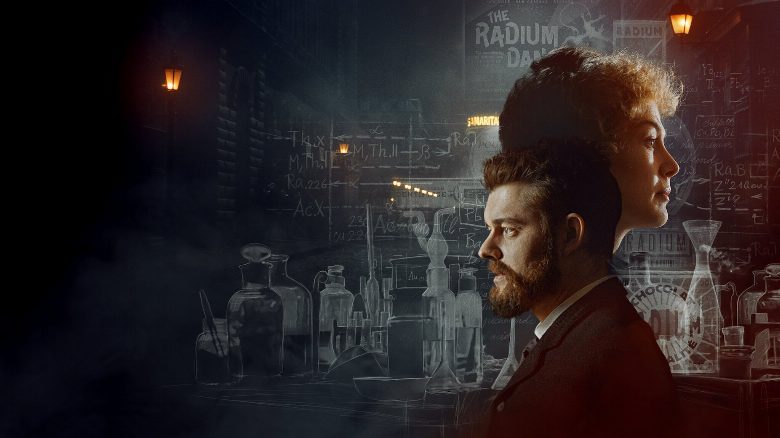
The film leans into a visual language that feels perpetually irradiated, mirroring the glow of the materials that would ultimately define the Curies legacy. By weaving the physical toll of scientific breakthrough with the emotional complexity of an evolving partnership, the narrative avoids the trap of the standard rags to riches trope. It serves as a haunting reminder that the path to discovery is rarely clean or linear. Those who appreciate the grounded, character-driven narratives often found in the best of Malayalam or Tamil independent dramas will likely find resonance here, as the film prioritizes character interiority over grand, sweeping spectacles. It is an exploration of the price of curiosity, capturing the duality of a discovery that could both heal and destroy.
Rosamund Pike brings a sharp, uncompromising edge to a role that requires more than just mimicry, grounding the film whenever the historical scope threatens to overwhelm the intimate moments. Satrapi, known for her unique aesthetic sensibilities, ensures that the film remains intellectually provocative, inviting the viewer to contemplate the moral weight of scientific advancement. This is essential viewing for those who enjoy historical dramas that challenge the viewer to look beyond the surface of a textbook biography. It is not merely a chronicle of a Nobel laureate but a layered examination of resilience and the often destructive nature of intellectual obsession. The film functions as an atmospheric study of a life that was as luminous and dangerous as the chemical elements it brought into the light.
Cast(43)