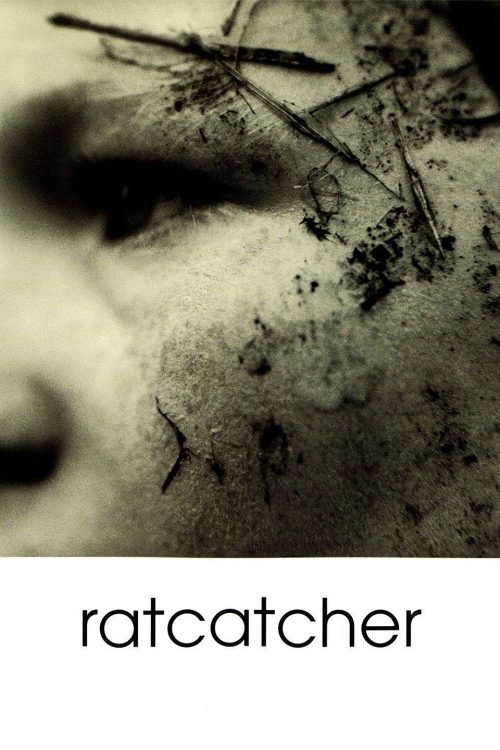
About Ratcatcher
James Gillespie is 12 years old. The world he knew is changing. Haunted by a secret, he has become a stranger in his own family. He is drawn to the canal where he creates a world of his own. He finds an awkward tenderness with Margaret Anne, a vulnerable 14 year old expressing a need for love in all the wrong ways, and befriends Kenny, who possesses an unusual innocence in spite of the harsh surroundings.
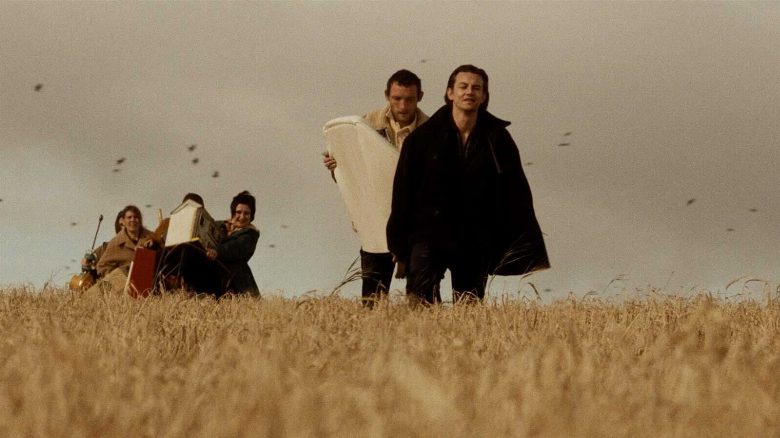
Lynne Ramsay arrived on the international stage with a visual language that felt entirely detached from the gritty social realism typical of British cinema at the turn of the millennium. Set against the backdrop of a mid-seventies sanitation strike in Glasgow, Ratcatcher captures the internal isolation of a young boy navigating a landscape defined by decay and structural neglect. Unlike many coming of age stories that rely on heavy dialogue to bridge the gap between childhood and maturity, this film leans into a sensory experience where the stagnant canal water and the looming stacks of refuse serve as metaphors for the protagonist’s heavy conscience. It is a haunting character study that demands patience, rewarding viewers with a poetic exploration of how environment shapes the architecture of a young mind.
For fans of global cinema who appreciate the nuanced storytelling found in contemporary Malayalam or Tamil art house films, Ratcatcher offers a similar commitment to atmosphere over exposition. Just as directors like Lijo Jose Pellissery or Vetri Maaran use their specific regional settings to anchor universal themes of human frailty, Ramsay transforms a specific time and place into a universal reflection on guilt and the desire to belong. The film does not offer the comfort of a standard hero journey. Instead, it invites the audience to inhabit a space of quiet desperation, making it an essential watch for those who prefer cerebral, mood driven dramas that linger in the psyche long after the credits roll.
The performances, particularly from the young cast, are stripped of artifice, creating an authenticity that feels almost documentary in nature. By focusing on the small, often painful interactions between children struggling to find their footing in an indifferent world, the film exposes the fragility of innocence. It stands out in the wider landscape of nineties drama for its refusal to romanticize poverty or childhood resilience. Instead, it presents a stark, beautiful, and deeply uncomfortable look at a boy attempting to reconcile his private turmoil with the crumbling reality of his neighborhood. It is a masterclass in visual storytelling for anyone interested in the foundational works of modern independent cinema and the evolution of the auteur voice.
Cast(33)