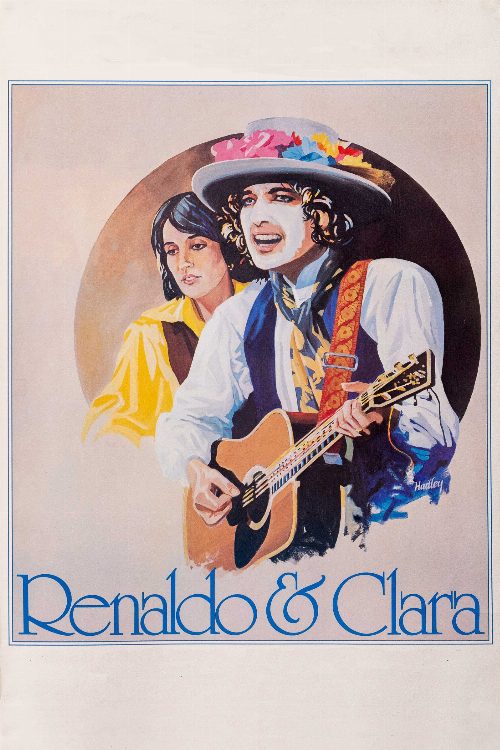
Renaldo and Clara(1978)
About Renaldo and Clara
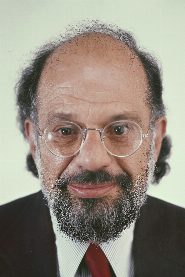
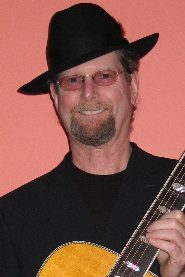
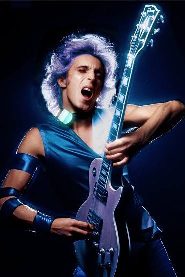
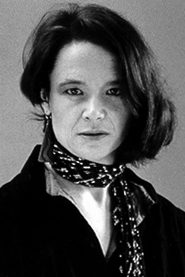
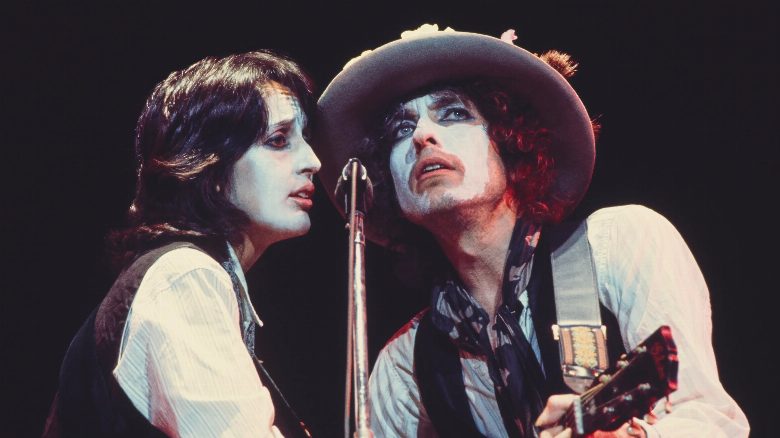
Filmed in the autumn of 1975 prior to and during Bob Dylan's Rolling Thunder Revue tour – featuring appearances and performances by Ronee Blakley, T-Bone Burnett, Jack Elliott, Allen Ginsberg, Arlo Guthrie, Ronnie Hawkins, Roger McGuinn, Joni Mitchell, Mick Ronson, Arlen Roth, Phil Ochs, Sam Shepard, and Harry Dean Stanton – the film incorporates three distinct film genres: concert footage, documentary interviews, and dramatic fictional vignettes reflective of Dylan's song lyrics and life.
Experimental cinema often demands a level of patience from the audience, and Renaldo and Clara stands as perhaps the most ambitious artifact of the mid-seventies rock and roll era. Rather than offering a straightforward concert documentary, Bob Dylan opted to fracture his own image through a sprawling four-hour mosaic that blends staged theatrical sketches with raw, unfiltered performance footage. By weaving these disparate threads together, the film captures the chaotic energy of the Rolling Thunder Revue, a tour that prioritized artistic spontaneity over the polished professionalism common in the mainstream music industry of that decade. For viewers familiar with the current wave of immersive music documentaries emerging from the Indian film industry, such as those exploring the lives of legendary playback singers or the evolution of independent music scenes in Mumbai and Bengaluru, this project offers a fascinating point of comparison. It represents a time when the boundary between the artist and their mythic persona was intentionally blurred, an approach that continues to influence contemporary directors who seek to deconstruct the celebrity image rather than merely document it.
The inclusion of influential figures like Allen Ginsberg and Joni Mitchell provides an intellectual backbone to the surrealist narrative, elevating the work beyond a simple vanity project. While the film is undeniably a relic of a specific countercultural moment, its fragmented structure mirrors the way modern audiences consume content in the digital age, where narrative linearity is often sacrificed for mood and texture. It is a mandatory viewing experience for those who appreciate the intersection of folk music history and avant-garde storytelling, particularly for fans who enjoy dissecting the creative process behind an iconic musician. The presence of actors like Harry Dean Stanton adds a gritty, authentic texture to the fictional vignettes, grounding the more abstract sequences in a sense of lived-in reality that feels remarkably ahead of its time.
Ultimately, this cinematic experiment is for the dedicated devotee who wants to inhabit the headspace of one of the world's most enigmatic songwriters at the height of his creative transition. While it may not offer the traditional structure of a standard drama, its refusal to adhere to conventional pacing makes it a unique anomaly in the annals of music film. By resisting the urge to provide a clear explanation for its own existence, the production manages to preserve the mystery and the electricity of the tour itself, inviting the viewer to lose themselves in a collage of sound, poetry, and performance that defines a pivotal era in American artistic history.
Cast(32)