About Requiem for a Heavyweight
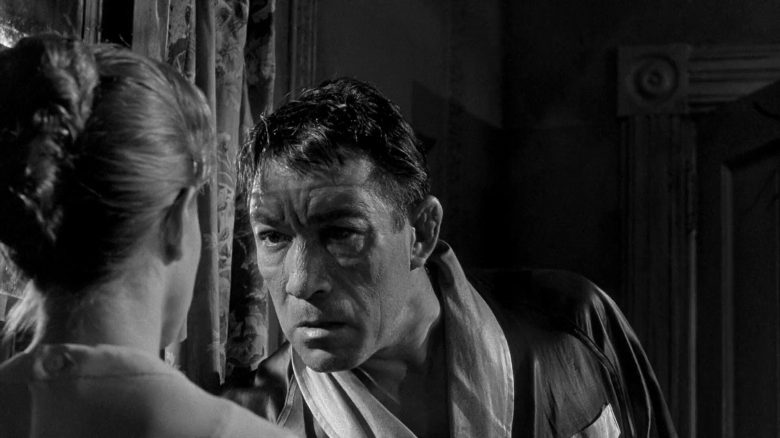
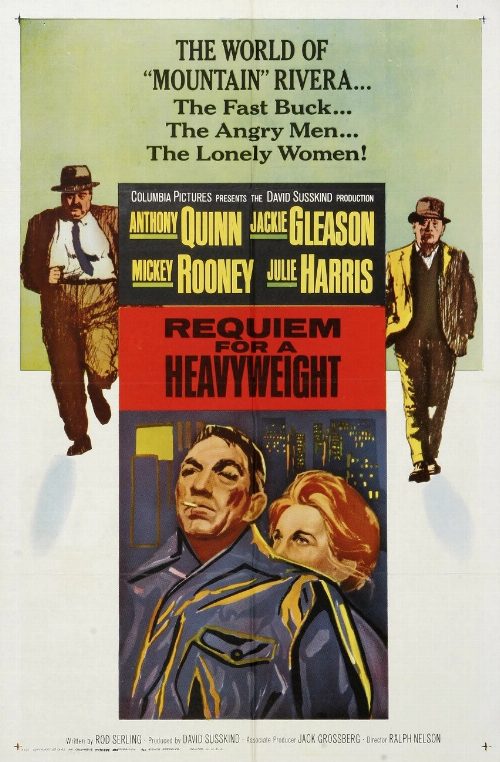
After suffering a brutal defeat and being told he can no longer fight, 37-year-old, scar-ridden prizefighter Louis 'Mountain' Rivera struggles to find a new direction in life
The brutal reality of the boxing ring often serves as a metaphor for the fleeting nature of celebrity, and few films capture this melancholy transition as hauntingly as the 1962 classic Requiem for a Heavyweight. While modern sports dramas frequently focus on the triumphant rise or the redemptive comeback, this narrative chooses a far more somber path by examining the aftermath of a career defined by physical punishment. Anthony Quinn delivers a towering performance as a man whose entire identity is tied to his ability to endure violence, only to find himself discarded by a system that views athletes as disposable commodities. For those accustomed to the high-octane energy of contemporary sports cinema, this film offers a grounded, character-driven alternative that prioritizes emotional weight over spectacle.
There is a profound resonance in this story that mirrors the cyclical nature of fame found in global film industries, including the star-driven landscapes of Bollywood or the intense hero-worship seen in Tollywood. Just as regional Indian cinema often explores the struggle of the common man against indifferent institutions, this film highlights the isolation of a fighter who has given his youth to a brutal trade. The presence of Mickey Rooney as a loyal but pressured manager adds a layer of tragic friendship, illustrating how the people surrounding a star can be just as trapped by the demands of the industry as the performer himself. The film acts as a sobering reminder that the lights of the arena eventually dim for everyone, leaving behind a void that no amount of applause can fill.
Viewers who appreciate slow-burning character studies and the gritty aesthetics of mid-century American cinema will find much to admire here. It is an essential watch for cinephiles interested in the evolution of the underdog trope, as it strips away the romanticism usually associated with combat sports to reveal the scars beneath the skin. By focusing on the struggle to reconcile past glory with an uncertain future, the production transcends its period setting to speak to the universal fear of obsolescence. Whether you are a fan of classic Hollywood or simply enjoy narratives that challenge the traditional hero archetype, this film remains a powerful testament to the human spirit in the face of inevitable decline. It serves as a stark, necessary look at what remains when the final bell rings and the crowd departs, leaving the individual to navigate a world they are no longer prepared to inhabit.
Cast(21)