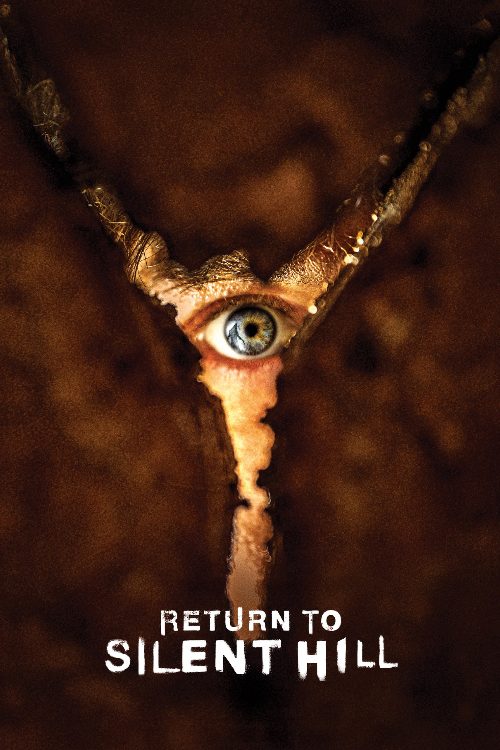
About Return to Silent Hill
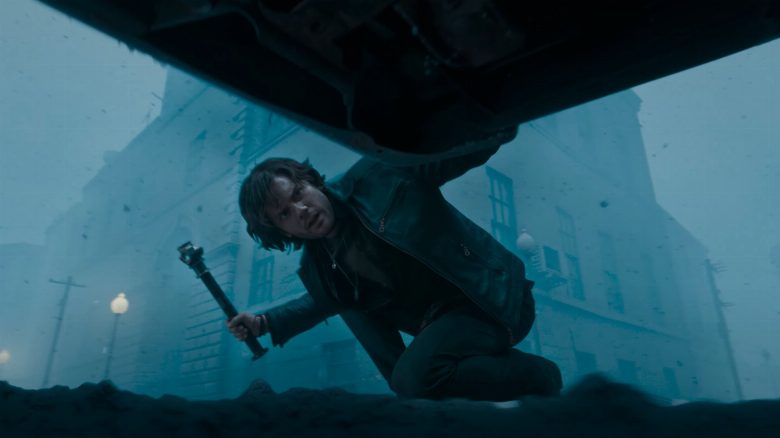
When James receives a mysterious letter from his lost love Mary, he is drawn to Silent Hill—a once-familiar town now consumed by darkness. As he searches for her, James faces monstrous creatures and unravels a terrifying truth that will push him to the edge of his sanity.
The haunting allure of psychological horror finds a fresh vessel in Return to Silent Hill, a project that arrives with the heavy burden of legacy while simultaneously attempting to carve out its own unsettling niche. By centering the narrative on the desperate quest of a man chasing the memory of a departed partner, the film leans heavily into the tropes of grief-stricken melancholy that have defined the iconic franchise for decades. Unlike standard slasher fare that relies on jump scares, this iteration appears to prioritize the crushing weight of atmosphere and the internal erosion of its protagonist. For fans of the series who have grown accustomed to the surrealist nightmare landscapes of the foggy township, this return offers a chance to see how modern cinematography can heighten the visceral dread that originally put this intellectual property on the map.
This cinematic venture serves as a bridge between the visceral terror of classic video game adaptations and the more sophisticated, character-driven horror currently dominating the international circuit. While the Indian film industry has been making massive strides in the supernatural and mystery genres through tight scripts and high-concept production design, Return to Silent Hill highlights a global preoccupation with the blurring lines between reality and trauma. The production benefits from a cast led by Hannah Emily Anderson, whose presence suggests a performance grounded in emotional gravity rather than mere survivalist panic. Viewers who appreciate the slow-burn tension found in the best Malayalam psychological thrillers or the haunting visual storytelling of contemporary Hindi horror will likely find resonance in the deliberate pacing and oppressive environment depicted here.
Ultimately, this film is positioned for those who find beauty in the grotesque and who prefer a mystery that demands active participation from the audience. Director Christophe Gans returns to the franchise with a clear vision of how to translate the disorienting, labyrinthine logic of the source material into a cohesive theatrical experience. It is not merely a trip into a ghost town, but rather an exploration of how far a person will descend into darkness when fueled by an impossible hope. For cinephiles who value the intersection of artistic dread and narrative ambiguity, this outing stands as a significant entry in the 2026 landscape, proving that the most terrifying ghosts are often the ones we carry within ourselves long before we ever set foot in a cursed place.
Cast(22)