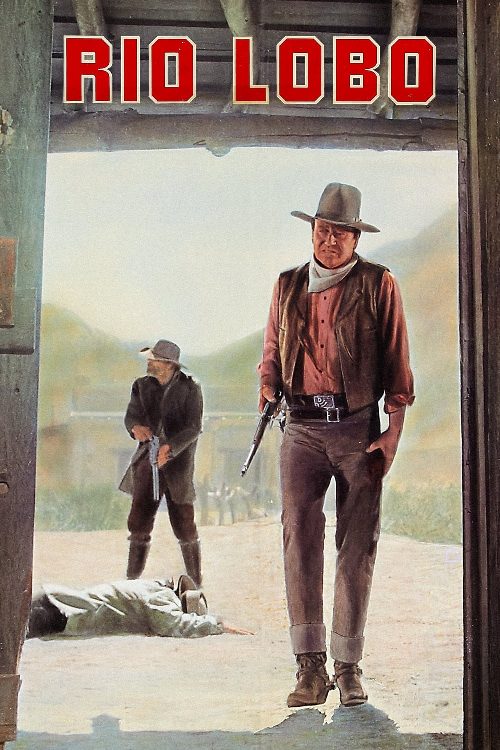
About Rio Lobo
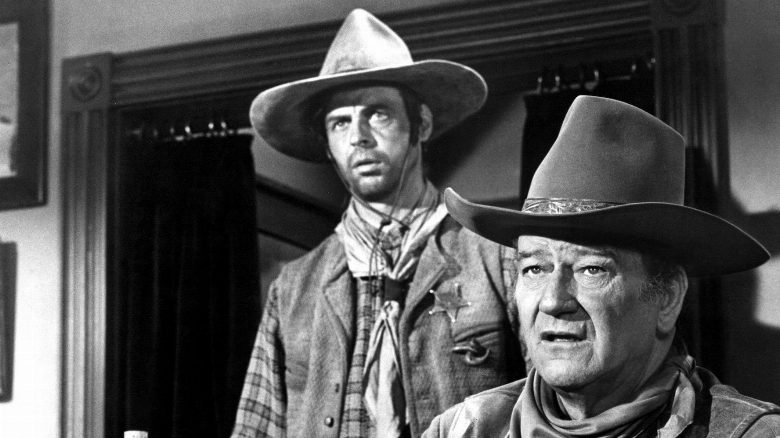
After the Civil War, a former Union colonel searches for the two traitors whose perfidy led to the loss of a close friend.
The twilight of the traditional American Western often feels like a long, dusty trail winding toward an inevitable sunset, and Rio Lobo stands as a definitive marker of that transition. Directed by Howard Hawks, this film serves as a thematic bookend to a legendary collaboration between a master filmmaker and an iconic leading man. By the time this project hit screens in 1970, the genre was undergoing a radical metamorphosis, moving away from the black and white morality of earlier decades toward a grittier, more cynical perspective. Yet, Hawks chooses to lean into the classic tropes of camaraderie and unwavering justice, creating a final salute to the tropes that defined the golden age of Hollywood storytelling. For fans of Indian cinema who appreciate the high stakes and loyal brotherhood found in the grand epics of the Telugu or Tamil industries, the core dynamic here will feel surprisingly familiar, even if the landscape is vastly different.
The narrative centers on a military officer navigating the treacherous aftermath of a brutal conflict, driven by an unyielding desire to hold those responsible for a personal betrayal accountable. While the plot follows a path of vengeance and investigation, the true appeal lies in the chemistry between the characters as they navigate a town gripped by corruption. It is a slow burn that relies on the established persona of John Wayne, whose presence provides a grounding force against the changing tides of the American frontier. Those who enjoy films that focus on the weight of legacy and the quiet dignity of a hero facing the end of his era will find much to admire in the measured pacing and sharp, economical dialogue that became a trademark of the director.
This picture occupies a unique space in film history because it bridges the gap between the rigid codes of the past and the more complex, ambiguous anti-heroes that were beginning to dominate the screen. It is not merely a tale of retribution but a study of how soldiers adjust to a world that no longer requires their specific brand of violence. Viewers who gravitate toward character-driven Westerns will appreciate how the film avoids excessive spectacle in favor of building a tight-knit ensemble. While the genre has evolved significantly in the half-century since its release, the fundamental struggle of an honorable man fighting against systemic rot remains a universal theme that resonates just as strongly in modern global cinema as it did in the twilight years of the classic Western.
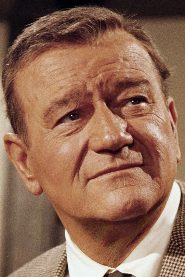
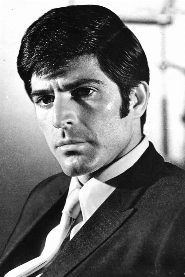
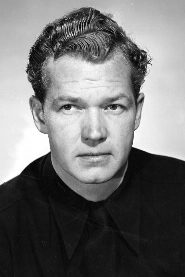
Cast(34)