About Roid
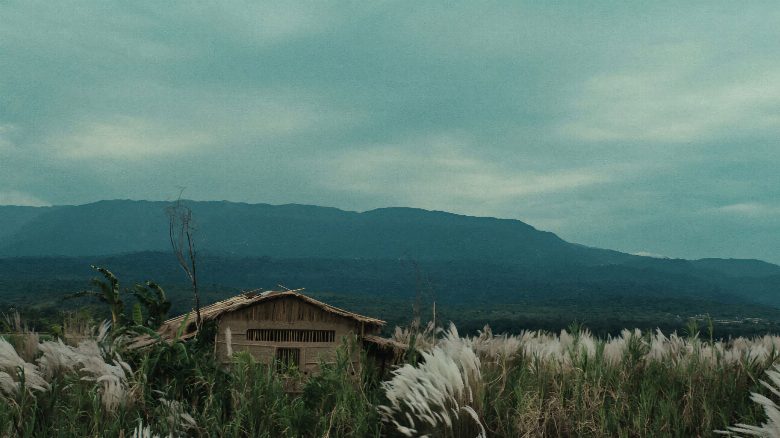
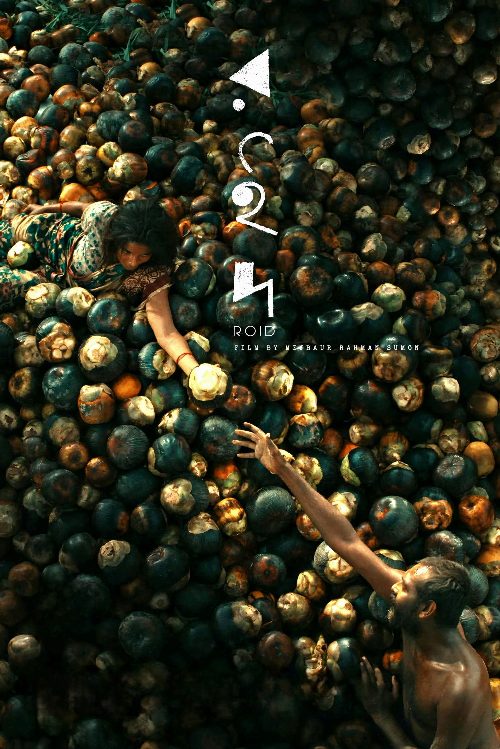
A solitary middle aged man marries a madwoman and builds a house on a vacant plot of land far from the village. However, his wife’s madness becomes a calamity in his tranquil life.
The landscape of contemporary Bengali cinema is undergoing a profound transformation, moving away from conventional commercial tropes toward deeply intimate, character-driven narratives that challenge social perceptions of domesticity. In the upcoming drama Roid, director Mejbaur Rahman Sumon explores the fragile architecture of human connection, centering on a protagonist whose attempt to construct a life of seclusion is disrupted by the unpredictable nature of his spouse. By situating the narrative on a lonely patch of earth detached from the bustling village collective, the film taps into a recurring motif in regional storytelling where isolation serves as a crucible for psychological unraveling. It is a bold creative choice that positions the project as a meditation on how we define sanity and companionship when left to our own devices in the vast, indifferent countryside.
Ahsabul Yamin Riad anchors this production, delivering a performance that appears to lean into the quiet desperation of a man seeking peace through unconventional means. The casting of Mostafizur Noor Imran and Nazifa Tushi adds significant weight to the project, suggesting a commitment to the kind of raw, ensemble-based performances that have recently propelled the industry toward international recognition. Sumon, known for his ability to weave regional folklore and harsh reality into a cohesive visual language, seems to be pushing his aesthetic further here, favoring expansive, desolate landscapes that mirror the internal turmoil of his leads. The film functions as a stark contrast to the high-octane thrillers currently dominating the pan-Indian market, opting instead for a slow-burning tension that prioritizes atmosphere over immediate gratification.
Viewers who gravitate toward the works of auteurs who favor existential questions and nuanced character studies will likely find this production deeply resonant. It is positioned as an essential watch for those who appreciate the intersection of rural life and psychological drama, where the domestic sphere is not a sanctuary but a site of profound complexity. As the story unfolds, it invites the audience to consider the fine line between devotion and entrapment, making it a compelling entry in the 2026 film calendar. By stripping away the artifice of traditional melodrama, Roid promises to be a contemplative experience that lingers long after the final credits roll, marking another significant milestone in the evolution of modern Bengali storytelling.