
About Romance & Cigarettes
Ironworker Nick lives with his wife, Kitty, and three daughters. When he meets a significantly younger woman, Tula, he starts an affair with her, much to the chagrin of his wife, and his life is thrown into upheaval. Kitty kicks Nick out of the house, and he is forced to make some difficult decisions.
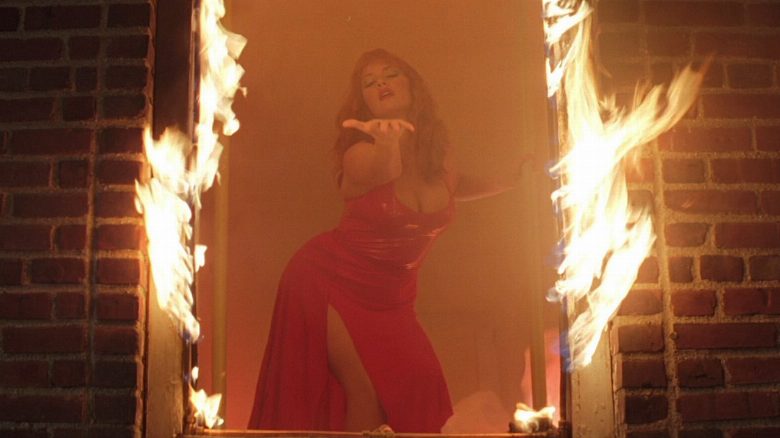
John Turturro took a daring creative leap with this 2005 musical experiment, proving that the gritty textures of blue collar life in New York can exist harmoniously alongside the flamboyant artifice of classic song and dance numbers. By casting James Gandolfini as a weary ironworker caught in the throes of a messy marital crisis, the film anchors its surreal aesthetic in a deeply human performance. While many audiences associate the musical genre with polished Hollywood spectacles, this project leans into a raw, unconventional energy that feels closer to a stage play than a traditional studio production. It occupies a unique space in the mid-2000s landscape, serving as a reminder that even the most grounded domestic dramas can be elevated by the bold inclusion of lip-synced musical interludes that externalize the characters internal chaos.
The narrative centers on the fallout of infidelity, as a long-term marriage is fractured by an impulsive attraction to a younger woman. Rather than treating this premise as a straightforward moral fable, the script explores the cyclical nature of desire and the messy, often contradictory ways people attempt to reconcile their domestic obligations with their personal fantasies. Susan Sarandon brings a fierce, grounded intensity to the role of the jilted spouse, creating a compelling power dynamic with Gandolfini that drives the emotional stakes of the film. Kate Winslet provides a transformative turn that further complicates the central love triangle, ensuring that the motivations behind each characters choices remain layered and difficult to categorize.
This film is essential viewing for those who appreciate character-driven stories that refuse to adhere to stylistic conventions. It is particularly well-suited for fans of independent cinema who enjoy seeing high-profile actors step outside their comfort zones to inhabit roles that are loud, imperfect, and relentlessly eccentric. While the shift from mundane industrial settings to stylized musical sequences might feel jarring to some, it ultimately functions as a bold exploration of how people cope with the breakdown of their own lives. By prioritizing personality and musical spirit over conventional pacing, the production stands as a singular entry in the filmographies of its cast, offering a distinctively stylized vision of working-class malaise that remains as defiant today as it was upon its original release.
Cast(86)