
About Runners
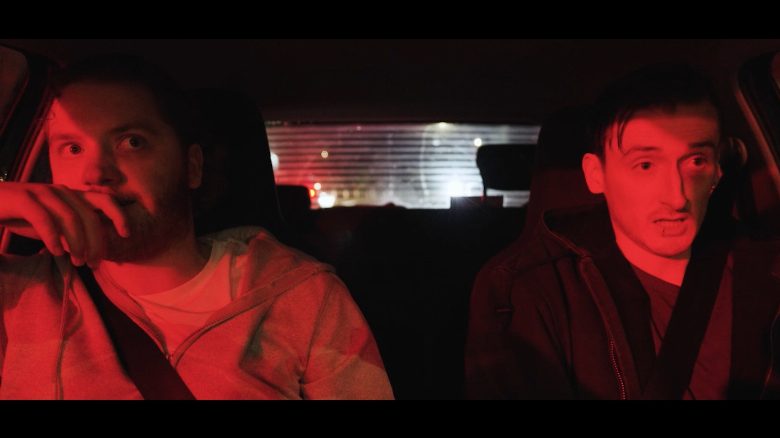
Ben is sent on a delivery job for his father, when his brother Harry unexpectedly joins him. As suspicion grows and tension rises, only one question comes to mind: what’s in the boot?
The open road often serves as a crucible for strained family dynamics in cinema, and Runners leans heavily into this trope with a claustrophobic intensity that feels both classic and urgent. Director Oliver Dennett crafts a narrative that centers on a simple errand, yet the atmospheric weight of the journey suggests that the physical cargo is secondary to the emotional baggage being hauled across the miles. By focusing on the interplay between Oliver Svendsen and Ethan Thomas, the film strips away the typical spectacle associated with the crime genre, opting instead for a slow-burn tension that relies on the shifting power dynamics between two brothers who clearly share a fractured history. It is a bold choice for an English-language production to lean into such a minimalist setup, especially when modern audiences are accustomed to high-octane pacing, but this decision allows the performances to anchor the film in a grounded, gritty reality.
Within the landscape of global crime thrillers, this project positions itself as a character study disguised as a heist-adjacent drama. While Indian cinema has frequently explored the complexities of brotherhood and moral ambiguity through high-stakes regional narratives, Runners offers a distinct Western perspective that mirrors the psychological depth found in contemporary independent filmmaking. It captures that specific dread of being trapped in a moving vehicle with someone who knows your deepest insecurities, turning the car itself into a pressure cooker. For viewers who appreciate films that prioritize dialogue-driven suspense and environmental storytelling over gratuitous action sequences, this title is likely to resonate as a refreshing departure from the conventional thriller mold.
The casting of Bedwyr Bowen and Brody Williams alongside the leads suggests a story that is not just about the two men in the front seat, but the external forces pressing in on their fragile bond. Dennett seems to be interested in the concept of complicity, forcing the audience to wonder how far one person will go to protect a sibling, regardless of the ethical cost. It is precisely this ambiguity that makes the movie a compelling watch for those who enjoy questioning the motives of their protagonists until the very last frame. If the film succeeds in maintaining this level of sustained mystery, it will likely be remembered for how it transforms a mundane delivery task into a haunting exploration of loyalty, fear, and the inevitable consequences of shared secrets.