About Saint Maud
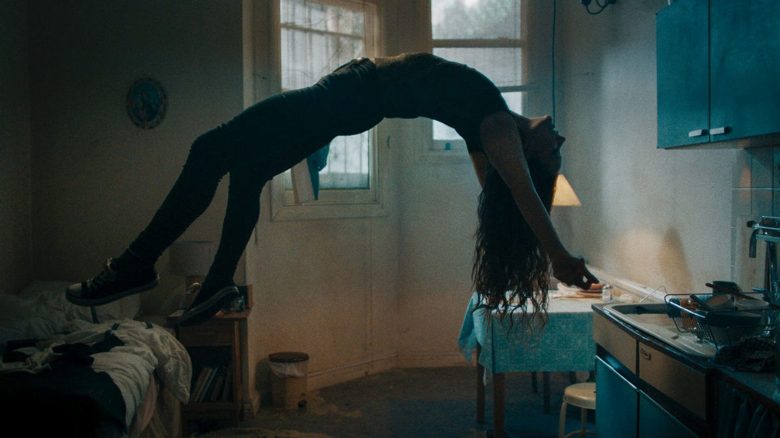
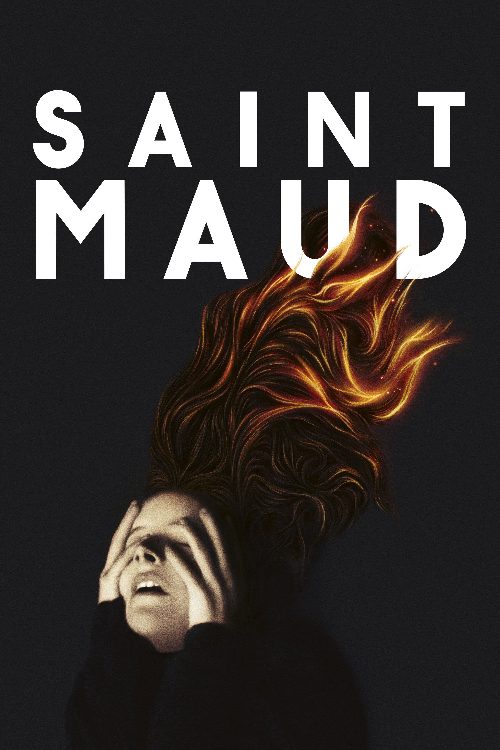
Having recently found God, self-effacing young nurse Maud arrives at a plush home to care for Amanda, a hedonistic dancer left frail from a chronic illness. When a chance encounter with a former colleague throws up hints of a dark past, it becomes clear there is more to sweet Maud than meets the eye.
Saint Maud stands as a chilling exploration of psychological fragility and religious obsession that feels remarkably distinct within the modern landscape of elevated horror. While many contemporary genre pieces lean heavily on jump scares or supernatural entities, this debut feature from Rose Glass opts for a claustrophobic, character-driven descent that mirrors the intensity found in the best psychological dramas from the Malayalam or Tamil industries. The film centers on a pious private nurse who becomes dangerously fixated on the salvation of her terminally ill patient, a former performer living a life of indulgence. By narrowing the scope to the interiority of its protagonist, the narrative creates a suffocating tension that lingers long after the credits roll, positioning the viewer in a space where reality and divine delusion are indistinguishable.
The brilliance of the film lies in how it frames the mundane tasks of caregiving as a battlefield for the soul. Much like the recent wave of Indian films that use genre tropes to dissect societal pressures or personal trauma, Saint Maud utilizes the horror framework to examine the desperate human need for purpose. Morfydd Clark delivers a performance of startling precision, portraying a woman whose quiet exterior conceals an explosive internal fire. Her transformation is subtle yet terrifying, making the audience question whether they are witnessing a genuine spiritual awakening or a tragic mental collapse. This makes the movie an essential watch for enthusiasts of atmospheric cinema who appreciate slow-burn narratives where every frame feels heavy with impending doom.
For viewers who gravitate toward the unsettling precision of films like Black Swan or the haunting character studies coming out of the current global indie circuit, this story offers a masterclass in visual storytelling. It avoids the tired pitfalls of traditional monster movies, instead focusing on the isolation that drives individuals toward extreme ideologies. Because the director handles the subject matter with such clinical detachment, the film manages to feel both intimate and expansive. It is a bold, uncompromising piece of filmmaking that demands the audience pay attention to the unspoken shifts in power between the caregiver and the patient. Those who enjoy stories that challenge their perceptions of faith and sanity will find this a deeply rewarding, if deeply uncomfortable, experience that stands out as a high-water mark for recent psychological thrillers.
Cast(16)