
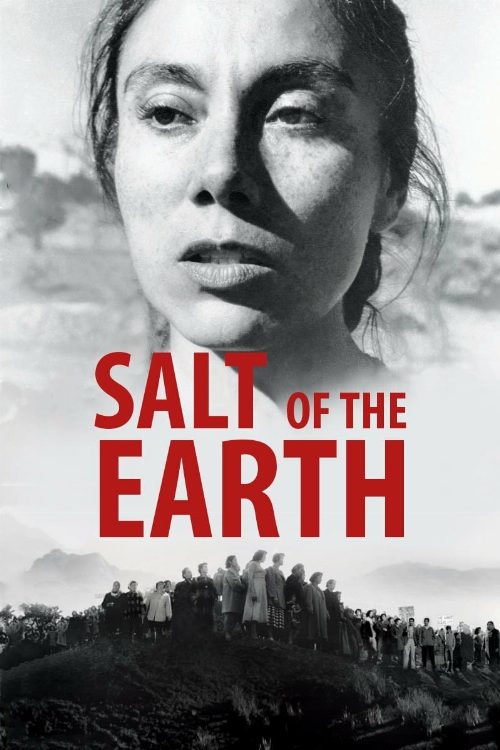
Salt of the Earth(1954)
About Salt of the Earth
At New Mexico's Empire Zinc mine, Mexican-American workers protest the unsafe work conditions and unequal wages compared to their Anglo counterparts. Ramon Quintero helps organize the strike, but he is shown to be a hypocrite by treating his pregnant wife, Esperanza, with a similar unfairness. When an injunction stops the men from protesting, however, the gender roles are reversed, and women find themselves on the picket lines while the men stay at home.
A profound intersection of labor politics and domestic sociology defines the 1954 production Salt of the Earth, a film that remains a cornerstone of independent social realism. Set against the harsh backdrop of a New Mexico zinc mine, the narrative explores the friction between a marginalized workforce and their employers, specifically highlighting the struggles of Mexican-American laborers. What distinguishes this project from typical mid-century dramas is its unflinching gaze at the duality of oppression, as it examines not only the external battle against corporate greed but also the internal power dynamics within the family unit. By juxtaposing the fight for workplace equity with the shift in household responsibilities, the film challenges the traditional patriarchal structures prevalent in that era of American cinema.
For audiences accustomed to the high-stakes emotional arcs of contemporary Indian cinema, particularly the gritty social commentaries coming out of the Malayalam or Tamil industries, this film will feel remarkably resonant. Much like modern films that highlight the plight of rural workers or the systemic challenges faced by marginalized communities, this story serves as a mirror to real-world activism. It captures a pivotal transition where the picket line becomes an classroom for collective consciousness, forcing characters to confront their own biases in the heat of conflict. The director and cast opted for a neorealist approach, utilizing non-professional actors to ground the narrative in a raw, authentic texture that feels strikingly ahead of its time.
Viewers who appreciate character-driven dramas that prioritize thematic depth over spectacle will find this an essential watch. It is a vital piece of cinema for those interested in the evolution of protest films, as it moves beyond the simplistic hero versus villain trope to explore the complexities of solidarity. The film highlights the necessity of intersectional resistance, showing how a movement gains strength only when every member of the community is afforded equal dignity. Despite the political obstacles faced during its creation, the work stands as a testament to the power of film as a tool for social reflection. Its legacy continues to echo in modern global cinema, reminding viewers that the quest for justice is an ongoing struggle that begins within the home before it can ever truly succeed on the front lines of industry.
Cast(18)