
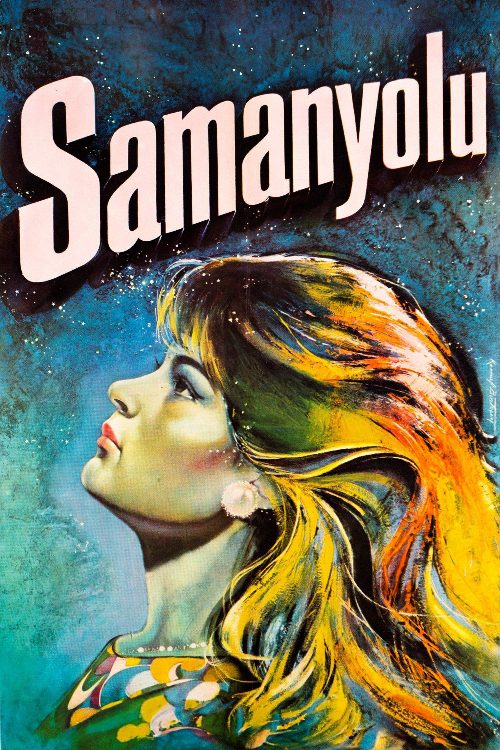
About Samanyolu
The story of two cousins who love each other madly, and a stranger who comes between them.
Few cinematic experiences capture the bittersweet essence of mid-century melodrama quite like the 1967 Turkish production Samanyolu. Directed by Orhan Aksoy, this film serves as a quintessential example of Yesilcam, the golden age of Turkish cinema that mirrors the emotional intensity and grand storytelling traditions found in classic Indian family dramas. Much like the sprawling romantic epics of early Hindi or Telugu cinema, the film relies on a heightened sense of longing and a rigid social framework that pits individual desire against the weight of familial expectations. It operates on the tension of a forbidden connection between relatives, a trope that resonates deeply with global audiences familiar with the constraints of traditional societal structures.
The narrative focuses on the intricate dance of affection between two cousins, a relationship thrown into complete disarray by the arrival of an external figure. This dynamic creates a classic love triangle that feels both timeless and deeply rooted in the cultural landscape of the sixties. For enthusiasts of regional Indian cinema who appreciate the slow-burn emotional stakes found in Malayalam or Tamil classics, Samanyolu offers a fascinating parallel. It is not merely a story about romance but a study of how external disruptions can shatter the fragile equilibrium of a domestic circle. The film invites viewers to witness a battle between duty and passion, played out with the sweeping musical scores and expressive acting styles that defined the era.
Leading the cast are the iconic Hulya Kocyigit and Ediz Hun, whose screen presence was instrumental in shaping the romantic archetype in Turkish film history. Their ability to convey profound yearning through nuanced glances and subtle gestures remains the core appeal of the project. Audiences who enjoy films that prioritize character-driven conflict over high-octane spectacle will find much to admire here. By positioning the narrative around the sanctity of kin and the intrusion of the unknown, Aksoy crafts a piece that feels both intimately personal and universally relatable. Whether one is a seasoned scholar of world cinema or simply a fan of classic tearjerkers, this work stands as a poignant reminder of the universal language of heartbreak. It serves as a bridge for the modern viewer to understand the emotional foundations of global storytelling, proving that the struggle to reconcile one's heart with the demands of family is a theme that transcends borders and languages alike.