About Saving Private Ryan
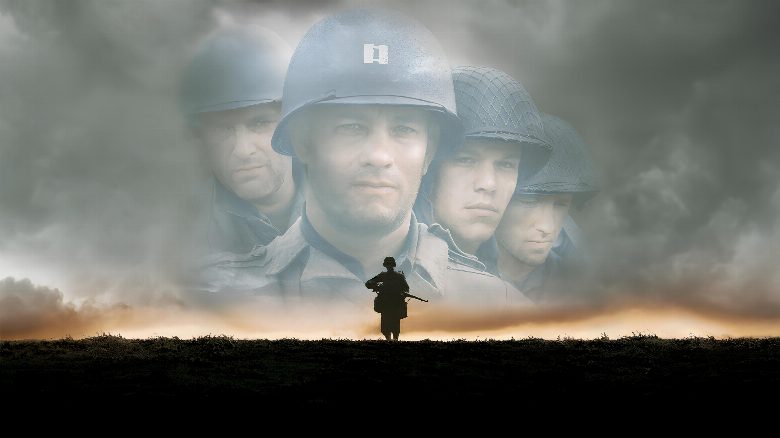
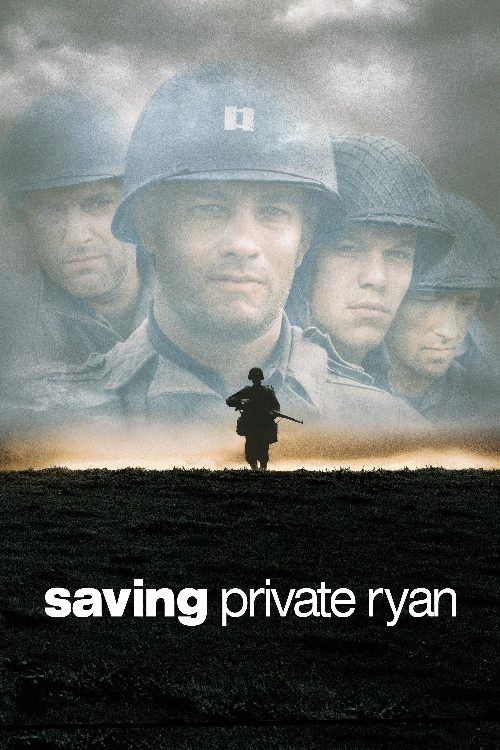
As U.S. troops storm the beaches of Normandy, three brothers lie dead on the battlefield, with a fourth trapped behind enemy lines. Ranger captain John Miller and seven men are tasked with penetrating German-held territory and bringing the boy home.
The visceral reality of the Second World War finds a harrowing, unflinching voice in Steven Spielberg’s 1998 masterpiece, a film that redefined the aesthetics of the combat genre forever. While Indian cinema has often explored the heroism of border conflicts through a lens of nationalistic fervor, this Hollywood production strips away the polished veneer of early war epics to reveal the visceral, chaotic, and muddy truth of life under fire. It is a grueling look at the moral weight of a single life weighed against the grander, often cold, machinery of military logistics. By focusing on a small squad navigating the treacherous landscape of occupied France, the narrative bridges the gap between the intimate psychological toll on individual soldiers and the overwhelming scale of global devastation.
The brilliance of this film lies in its deliberate shift from the strategic bird eye view of war to the claustrophobic anxiety felt by the men on the ground. For audiences who appreciate the technical grit of recent pan-Indian epics that prioritize immersive sound design and realistic choreography, this remains an essential touchstone. It functions not merely as a historical recreation but as a profound meditation on the human cost of orders and the erosion of innocence in the face of relentless shelling. The casting of Tom Hanks as a leader forced to balance his own humanity with the rigidity of his mission provides an emotional anchor that resonates deeply, mirroring the intense, character-driven performances often celebrated in the best of Malayalam or Tamil dramatic cinema.
Viewers who enjoy stories that challenge the traditional binary of hero and villain will find much to admire here. The cinematography, famous for its desaturated color palette and jarring, kinetic camera work, creates an atmosphere of perpetual unease that keeps the audience tethered to the soldiers' perspectives. It is a mandatory viewing experience for anyone interested in how a director can manipulate pace and tension to turn a mission-based narrative into a grueling test of character. Whether you are a student of film history or simply a fan of high-stakes dramas that do not shy away from the darker corners of human history, this film serves as a powerful reminder of how cinema can document the scars of the past. It remains a towering achievement in storytelling, standing as a testament to the endurance of the human spirit amidst the absolute collapse of peace.
Cast(89)