
Saw II(2005)
“Oh yes... There will be blood.”
About Saw II
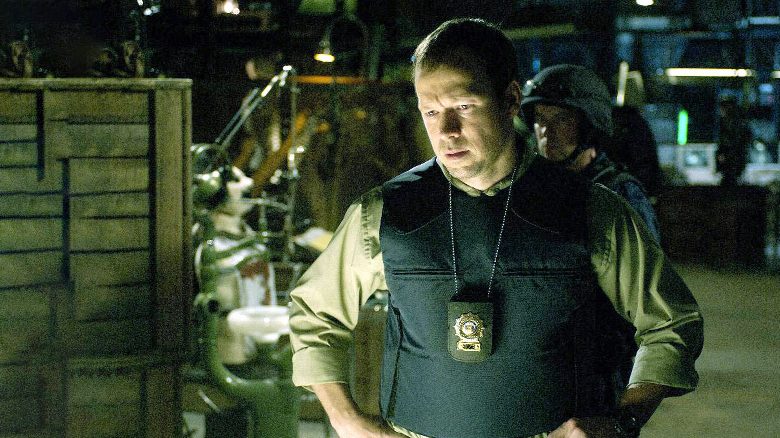
The chilling and relentless Jigsaw killer returns to terrorize the city once again. When a gruesome murder victim emerges with unmistakable traces of Jigsaw's sinister methods, Detective Eric Matthews is thrust into a high-stakes investigation. To his surprise, apprehending Jigsaw seems almost too easy, but what he doesn't realize is that being caught is merely another piece of Jigsaw's intricate puzzle.
Stepping into the claustrophobic world of Saw II, audiences find themselves once again trapped in a high-tension game of morality and survival. While the debut entry in this franchise redefined the landscape of modern horror through its singular, contained setting, this sequel expands the scope of the madness by introducing a more complex psychological framework. The film shifts the focus toward a broader ensemble, forcing a group of individuals to navigate a labyrinthine trap constructed by the enigmatic mastermind. It captures the mid-2000s fascination with visceral suspense and elaborate, mechanical death traps that prioritize intellectual torture over simple slasher tropes.
For those who follow the trajectory of horror cinema, the film serves as a pivotal bridge between the gritty psychological thrillers of the past and the hyper-stylized gore epics that dominated the decade. The industry climate at the time was shifting toward darker, more punishing narratives, and this chapter leans heavily into the cat and mouse dynamic between law enforcement and a villain whose primary weapon is the flawed conscience of his victims. Donnie Wahlberg anchors the investigation with a palpable sense of frustration that resonates with anyone familiar with the tropes of the cynical detective archetype. It is a work that demands a strong stomach but rewards viewers who enjoy piecing together fragmented plot threads before the final reveal.
This experience is tailored for those who appreciate the structural complexity of a puzzle box narrative. Unlike typical genre entries that rely on jump scares, this film relies on the dread of impending consequences and the heavy atmosphere of inescapable confinement. It functions effectively as a character study of desperation, examining how far people are willing to go when their safety is stripped away. The director manages to maintain a frantic pace that keeps the tension simmering even during the quieter moments of dialogue. Whether you are a dedicated follower of the franchise or a newcomer intrigued by the evolution of the traps, this sequel stands as a defining example of the era's obsession with elaborate, high-stakes games where the rules are never quite what they appear to be. It remains a stark reminder of why the series secured such a firm grip on the cultural imagination during its original theatrical run.
Cast(13)