About Scorned
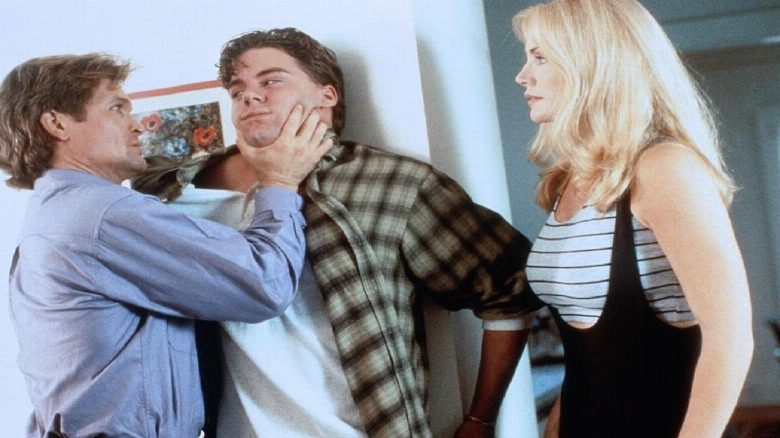
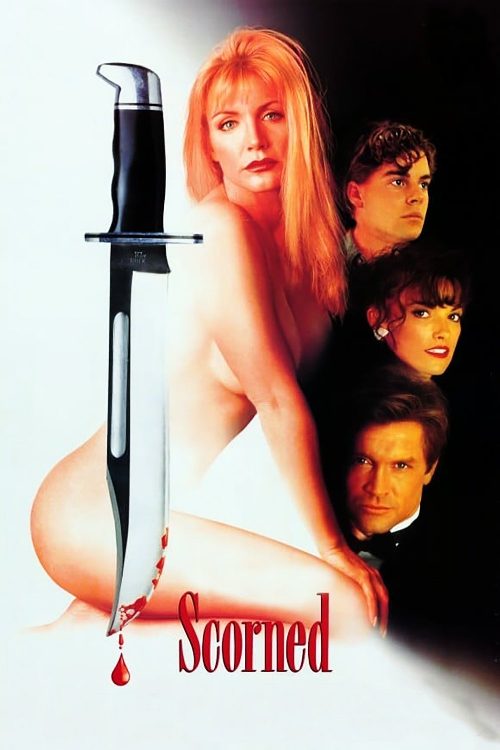
A vengeful widow worms her way into the home of the man she holds responsible for her husband's suicide.
The landscape of early nineties erotic thrillers often leaned into high-concept melodrama, yet Scorned manages to carve out a distinct identity through its relentless focus on psychological manipulation rather than mere surface-level tension. Directed by Andrew Stevens, a filmmaker who deeply understood the appetite for mid-budget genre cinema during this era, the film functions as a classic revenge vehicle that prioritizes character-driven malice over standard action tropes. By casting Shannon Tweed, a recognizable face of the decade for this specific niche of suspenseful dramas, the production leans into the archetypal femme fatale role, elevating the narrative from a simple tale of retribution into a tense game of cat and mouse that keeps viewers questioning the true motivations of the protagonist.
Within the broader context of global cinema, Scorned sits comfortably alongside the era's fascination with domestic destabilization, a theme that has resonated across various industries, including the intense emotional dramas frequently explored in contemporary Indian cinema. While the vibrant, song-heavy structures of Hindi or Telugu thrillers often lean toward grand spectacle, this film strips away those layers to focus on the intimate, suffocating confines of a household under siege. It serves as a reminder of how international audiences have long been drawn to stories where a calculated outsider systematically dismantles the lives of those they deem guilty. The film does not rely on complex plot twists but instead succeeds by leaning into the chilling consistency of its lead character as she infiltrates a private space to settle a long-standing score.
Viewers who appreciate slow-burning narratives that favor atmosphere and internal conflict over pyrotechnics will likely find this feature compelling. It is an ideal recommendation for those who enjoy the tension-filled dynamics of psychological dramas where the primary weapon is deception. By framing the tragedy of a past suicide as the catalyst for a modern-day infiltration, the film creates a sense of inevitable dread that builds steadily. Fans of the thriller genre who prefer character studies that explore the darker sides of human obsession will find this production to be a quintessential example of the period’s style. Stevens delivers a focused experience that remains a notable entry for audiences interested in the evolution of the nineties thriller format, showcasing how a singular, unwavering objective can drive an entire feature from start to finish.
Cast(12)