
About Searching
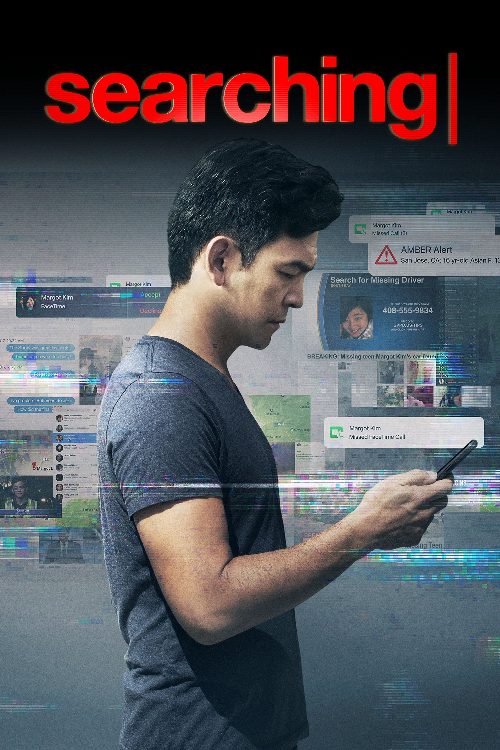
After David Kim's 16-year-old daughter goes missing, a local investigation is opened and a detective is assigned to the case. But 37 hours later and without a single lead, David decides to search the one place no one has looked yet, where all secrets are kept today: his daughter's laptop.
Searching arrives as a masterclass in modern digital storytelling, effectively transforming the claustrophobic interface of a computer screen into a high-stakes narrative landscape. While many thrillers rely on expansive cinematography or elaborate set pieces to build tension, this film opts for an innovative aesthetic where every mouse click and browser tab reveals a new layer of psychological depth. It is a striking departure from standard mystery conventions, choosing instead to anchor the viewer in the frantic, relatable reality of a parent navigating the digital footprint of a child they thought they knew. In an era where our personal histories are stored in cloud drives and social media profiles, the film captures a haunting, contemporary anxiety that resonates far beyond its primary genre.
The brilliance of this production lies in its ability to maintain a breakneck pace while exploring the profound disconnect that can exist between even the closest family members. David Kim serves as a compelling protagonist whose desperate quest moves from official police channels into the murky, unmonitored depths of his daughters online existence. For audiences accustomed to the polished, fast-paced editing found in current Indian cinema—where emotional stakes are often heightened by music and grand scale—this film offers a different kind of intensity. It mirrors the relentless curiosity found in investigative dramas while stripping away the artifice to reveal the raw, often uncomfortable truths hidden behind screen names and private messages.
Viewers who appreciate tight, character-driven puzzles will find this work particularly engaging. It is an ideal recommendation for those who enjoy the investigative rigor of films like Kahaani or the sleek, tech-focused suspense found in recent global thrillers. By focusing on the vulnerability of the human experience within a virtual environment, the director crafts a narrative that feels both deeply personal and universally relevant. It is a testament to how a singular, focused vision can redefine the boundaries of a genre, proving that the most terrifying secrets are often found not in dark alleys, but in the mundane, everyday interactions we record on our devices. This is a must-watch for anyone interested in how contemporary technology continues to reshape the way we perceive truth, loss, and the people we love most.
Cast(38)