
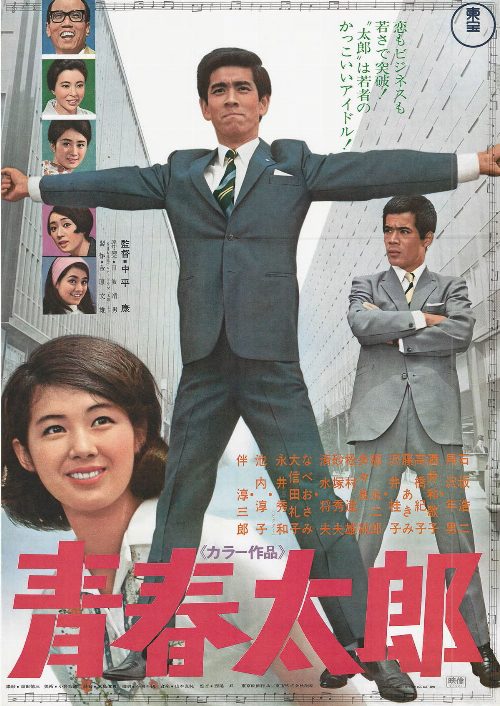
Seishun Tarō(1967)
About Seishun Tarō
1967 Japanese movie
Emerging from the vibrant cultural landscape of late sixties Japan, Seishun Taro captures a fleeting period of social transition through a lens that feels both nostalgic and distinctly modern for its time. While global audiences often associate Japanese cinema of this era with the stark gravity of auteur dramas or the stylized intensity of period pieces, this particular feature leans into the charm and internal friction of youth culture. It serves as a time capsule, reflecting the changing values of a generation navigating the tension between traditional expectations and the rapid modernization of their society. For those who appreciate the gentle pacing of mid-century international cinema, the film offers a window into the nuanced character studies that defined Japanese studio productions before the industry underwent its most radical shifts.
The narrative focuses on the interpersonal dynamics and formative experiences of its ensemble cast, anchored by performances from Akimi Fuji and Wakako Sakai. Their work brings a grounded energy to the screen, allowing the audience to engage with the characters as relatable individuals rather than mere archetypes of the era. Toshio Kurosawa provides a compelling counterpoint, grounding the story in a way that highlights the director’s interest in the everyday struggles of young adulthood. This approach resonates with the current interest in legacy cinema, as contemporary viewers often find that the emotional stakes in these older narratives remain strikingly relevant despite the decades that have passed since their original release.
Fans of world cinema who prioritize character-driven storytelling will find much to admire here. The film avoids the high-concept traps that often dominate modern blockbusters, choosing instead to prioritize the quiet, meaningful interactions that shape a person’s outlook on life. Because it captures a specific regional mood, it functions as an essential companion piece for anyone building a comprehensive library of Japanese film history. By focusing on the interplay between the cast and the shifting urban backdrop of 1967, the production manages to be both a product of its time and a timeless examination of the human condition. It is an ideal pick for those who want to explore the less-traveled paths of international moviemaking, providing a satisfying experience that values atmospheric depth and subtle thematic resonance over loud spectacle.