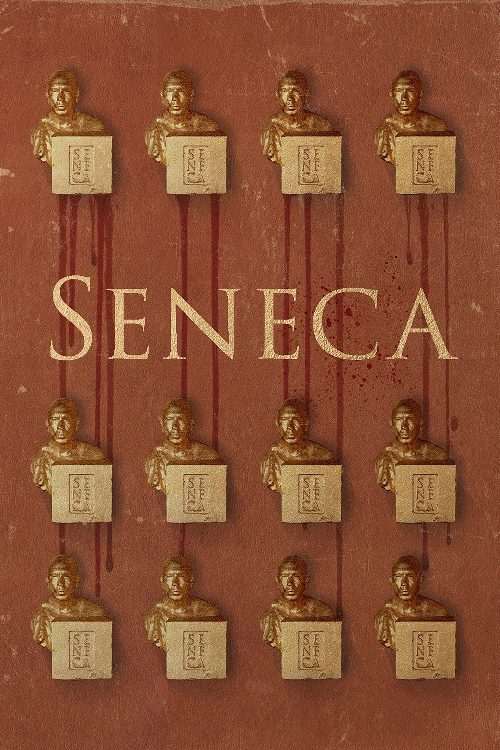
About Seneca
Rome in 65 AD, Emperor Nero's tyrannical regime has reached its zenith, Nero's self-indulgence and excessiveness brings up the opposition against him, conspiracies threaten his power. By all means Nero tries to defend his despotic claim of sovereignty. The famous philosopher Seneca has been Nero's teacher, mentor and close advisor since childhood, he is significantly involved in his ascent. Nevertheless, Nero gets weary of Seneca and Nero uses a foiled attack on his life to falsely accuse Seneca of being an accomplice.
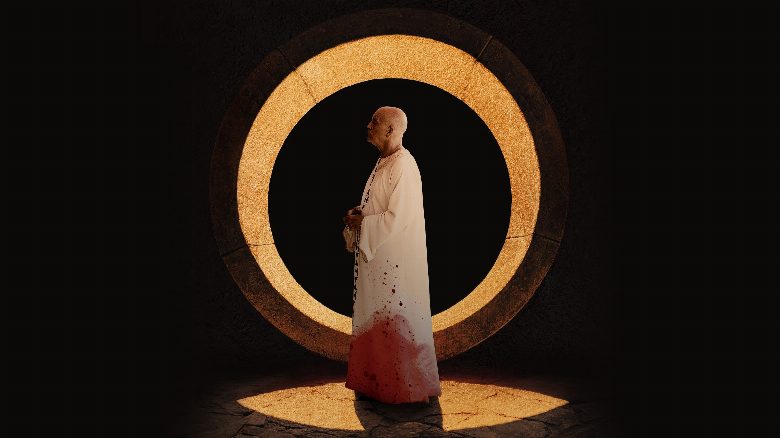
Stepping away from the polished aesthetic of modern historical epics, Seneca offers a jarring, surrealist look at the final hours of the titular philosopher under the shadow of the Roman Empire. Rather than relying on the traditional grandeur associated with ancient history, director Robert Schwentke crafts a biting, theatrical satire that feels more like a fever dream than a standard biopic. The film plunges viewers into the claustrophobic and increasingly absurd reality of a man who spent his life preaching stoic detachment, only to find himself trapped in the lethal whims of his former pupil, the increasingly volatile Nero. By leaning into anachronisms and a heightened, almost frantic performance style, the production strips away the marble-statue dignity of history to reveal the rotting core of political sycophancy and the vanity of power.
John Malkovich embodies the role with a grotesque, captivating intensity that anchors the film’s erratic energy. His portrayal captures the tragic irony of a mentor who shaped a monster, only to become the monster's ultimate target. This project serves as a sharp departure from the typical historical dramas often championed in global markets, eschewing epic battle sequences for a stage-like focus on dialogue and psychological unraveling. For audiences who enjoy the intellectual playfulness found in sharp, cynical dramas, or those who appreciate the daring creative risks seen in contemporary auteurs, this film provides a refreshing, albeit uncomfortable, experience. It functions as a grim comedy about the futility of wisdom in the face of absolute tyranny, effectively dismantling the myth of the enlightened advisor.
While the film is a departure from the high-octane commercial cinema currently dominating the global stage, its exploration of the relationship between an aging intellectual and a corrupt ruler resonates across cultures. The narrative echoes the timeless frustration of those who seek to influence power from within, only to realize their own complicity in the systems they helped create. It is a demanding watch that will appeal primarily to viewers who prioritize character-driven narratives over spectacle. By focusing on the internal collapse of a man attempting to maintain his dignity while his world burns, the film carves out a niche as a cynical, darkly humorous meditation on legacy. For those who enjoy films that challenge historical perspectives through an avant-garde lens, this piece offers a compelling, if deeply unsettling, study of how the past often reflects our most modern anxieties about authority and moral compromise.
Cast(20)