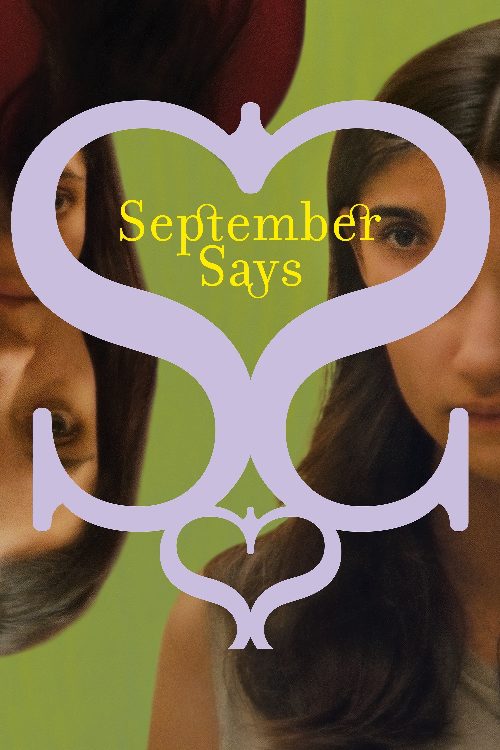
About September Says
Sisters September and July share an intense bond, speaking in a secret language and keeping the outside world at a distance. After September is suspended from school, their mother brings them to a remote house on the Irish coast—where July begins to resist her sister’s increasingly sadistic control.
The landscape of independent psychological cinema often explores the fragile boundaries of codependency, yet September Says carves out a particularly chilling niche by focusing on the suffocating intimacy between two siblings. Set against the stark, atmospheric backdrop of the Irish coast, the narrative delves into a power dynamic that feels both claustrophobic and deeply unsettling. As the story unfolds, the film moves beyond the typical coming-of-age tropes, instead positioning itself as a tension-filled examination of how isolation can warp the perception of reality. By highlighting a secret lexicon shared only by the two leads, the production taps into a primal fear of being excluded from a bond that has turned toxic, making it a standout entry for viewers who appreciate slow-burn thrillers that prioritize character psychology over jump scares.
For audiences accustomed to the high-octane emotional beats of contemporary Indian cinema, this English-language feature offers a refreshing change of pace. While regional industries like the Malayalam or Telugu film spheres are currently riding a wave of gritty, grounded realism, September Says aligns with the global trend of elevated genre storytelling that interrogates domestic trauma. The project benefits from a cast that manages to convey volumes through silence and body language, essential for a film where the dialogue is intentionally obscured by the characters' private world. It serves as a stark reminder of how the most dangerous threats often emerge from within the family unit, rather than from external forces.
This film is poised to capture the attention of cinephiles who gravitate toward works that challenge conventional narrative structures. Director Ariane Labed brings a distinct sensibility to the screen, focusing on the sensory details of the remote setting to amplify the internal friction between the sisters. It is an ideal watch for those who enjoyed the tense ambiguity of films like The Lodge or The Lighthouse, where the environment acts as a third character. By weaving together themes of control, autonomy, and the breakdown of childhood innocence, the movie demands active engagement from its audience. It avoids easy answers, preferring to leave viewers lingering on the unsettling implications of the sisters' complicated history long after the final frame. Those looking for a nuanced look at sibling rivalry pushed to its absolute breaking point will find this to be an essential addition to their watchlist.
Cast(26)